“Just do your Kegels.”
It’s one of the most common pieces of advice given for pelvic health. But it’s not always the best advice. Kegels can be helpful if you have weak pelvic floor muscles. But if your pelvic floor is tight (which is very common), they can actually make your symptoms worse.
The truth is, not all pelvic floor issues come from weakness. Many symptoms are caused by muscles that are overactive, tense, and unable to fully relax.
So how do you know what’s actually going on? A pelvic floor physical therapist can give you a clear understanding of what’s going on. But your symptoms can offer some helpful insight in the meantime.
What’s the difference between a tight vs. weak pelvic floor?
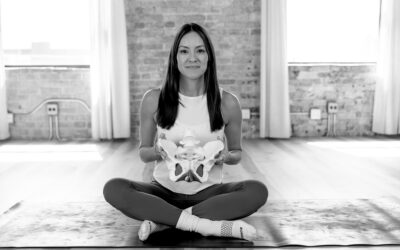
Your pelvic floor muscles create a basket of support for your pelvic organs at the bottom of your pelvis. And they’re really important for your bladder, bowel, and sexual function.
In general:
- Weak pelvic floor muscles lack strength and support. They may feel less toned with more laxity, and have difficulty lifting or holding tension when needed.
- Tight pelvic floor muscles have too much tension. They tend to stay tense or short and struggle to fully relax and lengthen.
What can be confusing is that tight muscles can also be weak. When muscles stay in constant tension, they can’t generate proper strength or coordination. And this is why guessing, or doing random pelvic floor exercises, can backfire.
Learning about your pelvic floor health shouldn’t feel like a guessing game. Whether it’s tightness, weakness, or somewhere in between, we designed a quiz to help make things a lot more clear.
How to Tell if Pelvic Floor is Tight or Weak
Your symptoms are the biggest clue. Pelvic floor tension often shows up in your bowel, bladder, and sexual function, along with different types of pain.
1. Bowel symptoms (pooping problems)
Your pelvic floor needs to relax to allow a bowel movement. When you have pelvic floor tension, it can make this difficult.
And it can show up as the following symptoms:
- Chronic constipation
- Straining during bowel movements
- Feeling like you didn’t fully empty
- Pencil-thin stools
- Painful bowel movements
- Rectal pain or pressure
- Hemorrhoids
2. Bladder symptoms (peeing problems)
When your pelvic floor is too tight, it can interfere with normal urinary function. And it can cause the following bladder symptoms:
- Difficulty starting urination
- Weak or interrupted stream
- Straining to pee
- Burning with urination
- Feeling like you didn’t empty fully
- Frequent urination
- Urinary urgency
- Bladder pressure or discomfort
Does it sound like your bladder symptoms are caused by pelvic floor tightness? Our Relaxation Program could be exactly what your body needs.
3. Sexual dysfunction and pain
One of the biggest signs of a tight pelvic floor is pain during sex. This is because when these muscles aren’t relax well, it can make penetration, arousal, and even orgasm difficult and painful.
During sex, a tight pelvic floor can show up as:
- Pain during sex (at the entrance or deeper)
- Burning or tearing sensations
- Pain after sex
- Difficulty or pain while inserting tampons
- Discomfort during pelvic exams
- Difficulty reaching orgasm (or painful orgasm)
4. Pelvic pain and pressure
If your pelvic floor muscles stay tight, it can irritate nearby tissues, muscles, and nerve, which can exacerbate pain. And when you’re in constant pain, your nervous system can also stay “on,” which further contributes to discomfort, muscle spasms, and pain even when you don’t have an active injury.
This can lead to the following symptoms of pelvic floor tightness:
- Vaginal or vulvar pain (vulvodynia)
- Tailbone pain
- Pain with sitting
- Hip or upper hamstring tightness
- Burning sensations
- Pelvic heaviness or pressure
Try this simple check at home: The Kegel test
One way to start understanding your pelvic floor issues is by observing how your muscles act as you contract and relax them.
Try this:
- Sit upright on a firm chair
- Gently contract your pelvic floor (like stopping urine or gas)
- Hold for a few seconds
- Fully relax your muscles
If you find it’s hard to contract your muscles or keep them contracted, you may have muscles that are on the weak side. But if it feels harder to relax than to contract, you may need help learning how to properly release and relax your pelvic floor.
And if it feels hard to feel anything at all, we can help you with that too! Our pelvic health experts are total pros at helping you connect with your pelvic floor.
How to relax a tight pelvic floor with 3 stretches
If your symptoms point toward pelvic floor tightness, the goal is to relax your pelvic muscles, not strengthen them (at least not right away). Here are 3 stretches to try.
#1 Child’s Pose
This stretch gently opens your hips and pelvic area while encouraging relaxation. Focus on slow, deep breathing as you hold this stretch.
#2 Happy Baby Pose
This stretch helps release deeper pelvic and hip tension. Keep your breathing steady and avoid forcing the stretch.
#4 Deep Squat Stretch
This is a great stretch to improve mobility in your hips and pelvis. Move slowly and stay within a comfortable range.
Still unsure how to tell if your pelvic floor is tight or weak?
When it comes to your pelvic floor symptoms, it can be hard to know the best treatment option without expert guidance. That’s why “just do your Kegels” isn’t always the answer, especially when symptoms are influenced by factors like pelvic organ prolapse, chronic tension, or muscle spasms in the pelvic floor.
But with the V-Hive, you don’t have to figure it out alone. If you’re ready to stop guessing and finally understand what your pelvic floor needs, join the V-Hive and follow a program built for your symptoms.