When you start taking a GLP-1 medication like Ozempic, it’s normal to feel most excited about results like better blood sugar control and reaching your weight loss goals. But as these medications have grown in popularity, people have turned to social media to discuss what they call “Ozempic vulva” or “Ozempic vagina” a harmless (but sometimes unwelcome) side effect linked to significant weight loss.
Much like “Ozempic face,” this isn’t a medical diagnosis or a harmful complication of the medication itself.1 Instead, it’s internet slang used to describe volume loss and looser skin that can happen when someone loses weight quickly. Bodies naturally change with weight changes, aging, hormones, and shifts in muscle and fat distribution.
And while these changes can feel frustrating, they’re also a normal part of significant weight loss. Here’s what to know.
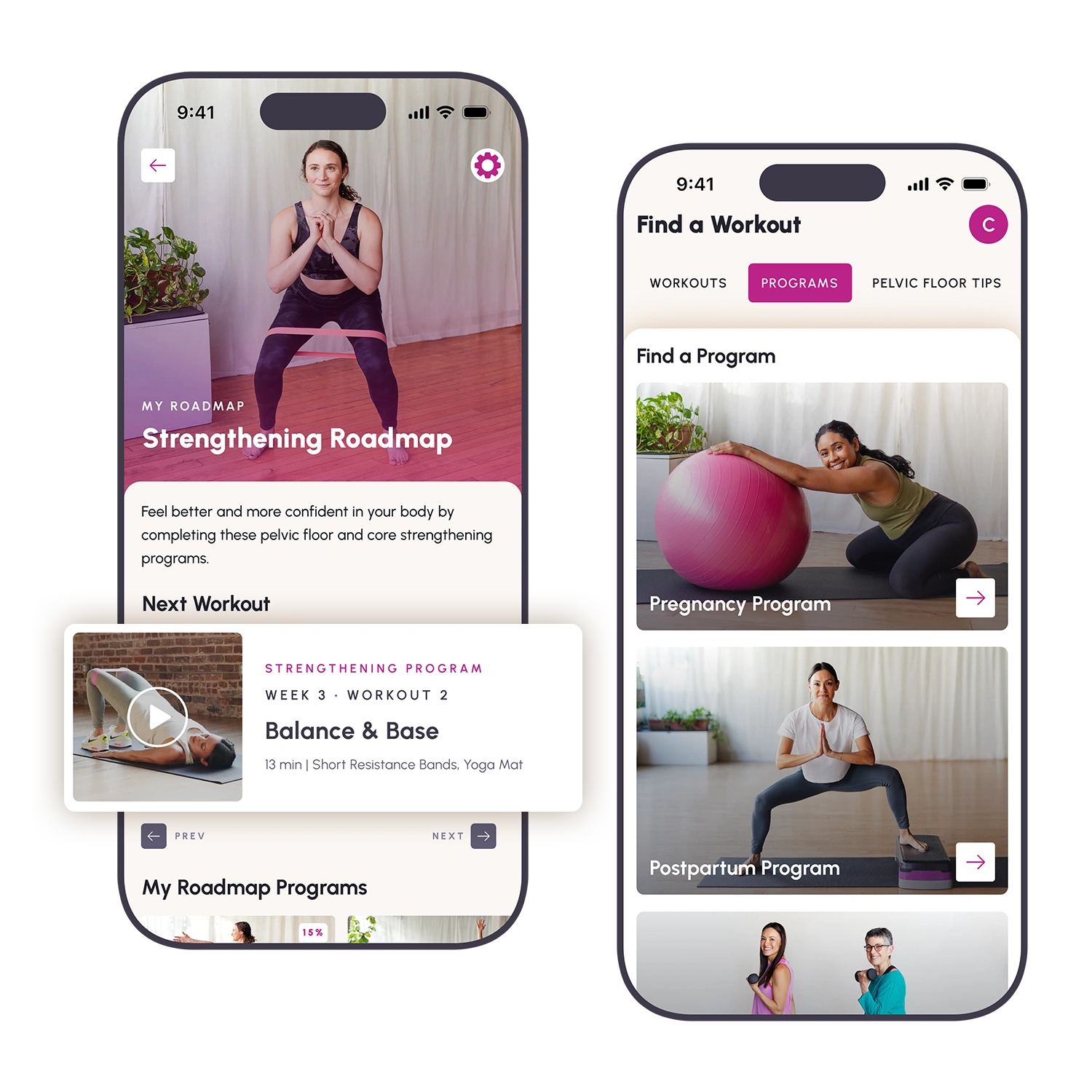
Rapid weight loss can affect your pelvic floor, core strength, and overall comfort. The V-Hive offers expert guidance and pelvic floor support designed to help you feel strong and confident in your body.
What is Ozempic vulva?
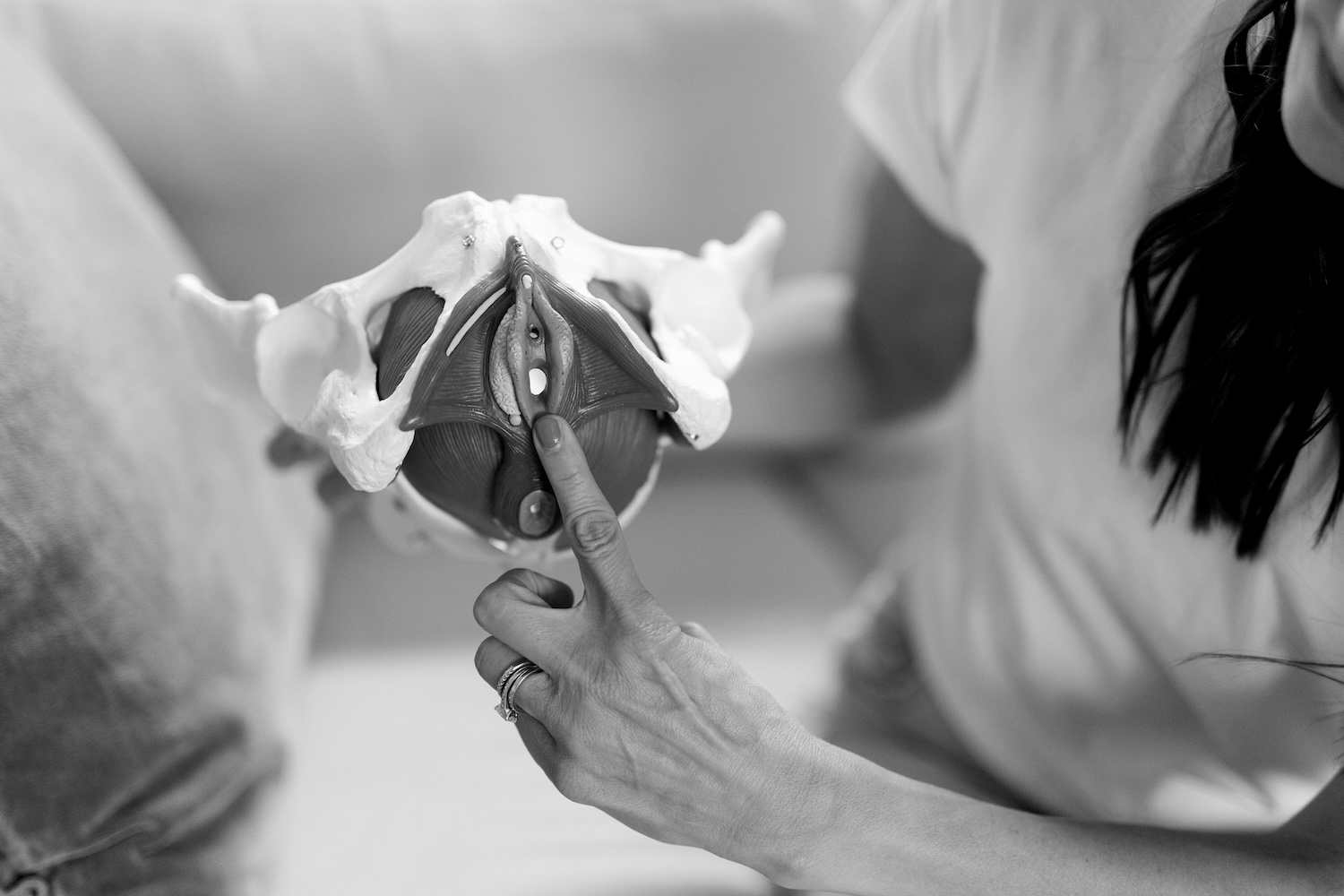
Ozempic vulva refers to changes in the appearance of the female genital area after rapid weight loss. When someone loses weight quickly, fat is lost throughout your body. This includes areas of your vulva that naturally contain fat pads, like the mons pubis (the soft, rounded area above your pubic bone) and labia majora (the outer folds of skin around your vaginal opening).
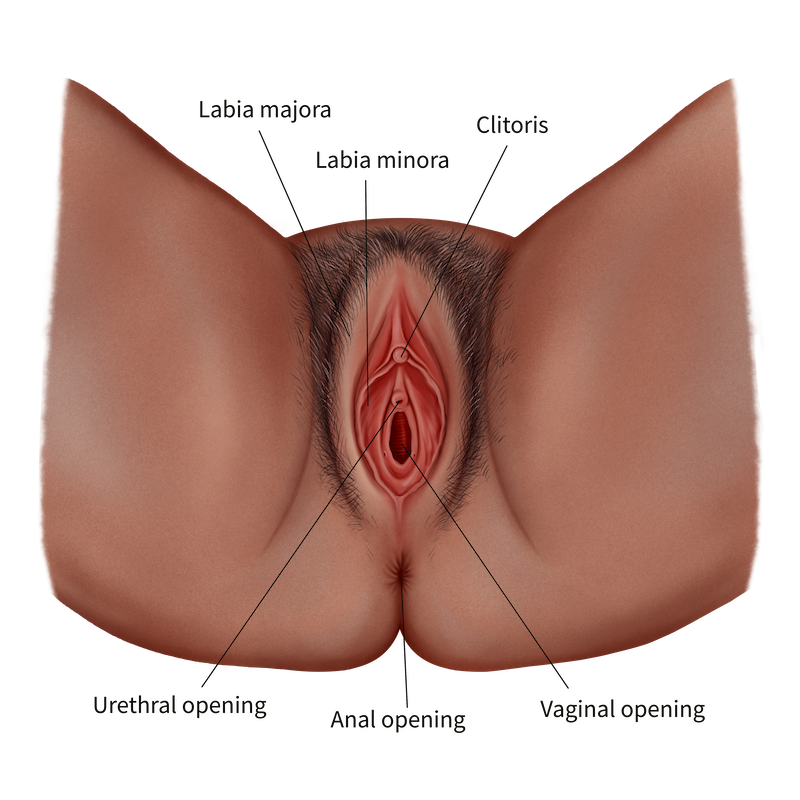
Fat in these areas normally helps cushion and protect the bones, nerves, and blood vessels in the genital area. This is similar to changes some people notice in the face or other parts of the body after significant weight loss.
Because this is related to fat redistribution and not a medical diagnosis, it is not considered a disease or a complication of GLP-1 medications.
Ozempic vulva side effect
Ozempic vulva isn’t a direct side effect of the medication itself. Instead, it happens because of the rapid weight loss the medication can cause. As your body loses fat quickly, the vulva may lose some of its natural fullness and cushioning, which can change how it looks.
Rapid weight loss may also affect your skin. While there isn’t much research yet specifically on Ozempic vulva, researchers have started studying similar skin changes linked to Ozempic face. Research suggests that rapid weight loss can lead to reduced collagen and elastin, which help keep your skin firm and smooth.2 Researchers are also exploring whether GLP-1 medications may affect the skin’s ability to repair itself, which could contribute to thinner or looser-looking skin in some people. More research is still needed to fully understand these effects.
Some people may also notice vaginal dryness or irritation, but research is still limited. In some cases, vaginal lubricants may help improve comfort during sex or daily activities.
How does Ozempic impact the pelvic floor?
Currently, there isn’t much research on how Ozempic impacts your pelvic floor.
But we may be able to get some insight because of how other forms of rapid weight loss, like bariatric surgery, impact the pelvic floor. And the good news is that the research is pretty positive!
Excess body weight puts more constant pressure on things like your bladder, public floor muscles, and supporting ligaments. This can make things like urinary leakage, heaviness, and prolapse symptoms worse. But when you lose a lot of weight, that strain decreases. And many people see improvements in pelvic floor symptoms like urinary leakage, urinary urgency, and pelvic organ prolapse.
However, with rapid weight loss, there’s also a possibility it could impact your pelvic floor strength if lean muscle mass is reduced.3 This is more likely if your protein intake is low or if you’re not doing enough resistance training at the same time. If this happens, pelvic floor muscles may weaken slightly, just like other muscles in the body.
Other commonly discussed GLP-1 side effects, like constipation or slow digestion, may also indirectly affect your pelvic floor. But these usually improve as your body adjusts to the medication.
Experiencing pelvic heaviness, leaking, or weakness after significant weight loss? The V-Hive App includes guided pelvic floor and strength workouts you can do from home.
Start at-home pelvic floor workouts
What about sexual health and libido?
There also isn’t strong evidence that GLP-1 medications directly cause changes in sex drive or sexual function. Some people report changes in libido or orgasmic function during weight loss.4 But these symptoms can also be influenced by many other things like how you feel about changes in your body and vulva, mood, and overall energy levels.5 So, until more research is done, this link isn’t entirely clear.
How to avoid Ozempic vulva?
In most cases, you can’t fully control how your body (and vulva) will respond to weight loss.
But a slower, steadier approach may help. That can include using the lowest effective medication dose when appropriate and combining treatment with diet and exercise.
Supporting your body during weight loss also matters. Eating enough protein helps preserve and build muscle as you lose fat, and staying well hydrated may support skin elasticity. Some people may also find vaginal lubricants or moisturizers helpful if vaginal dryness becomes bothersome.
There are also plenty of noninvasive and surgical options to help improve the appearance of your vulva and symptoms like chaffing and irritation.6
Supporting your muscles and pelvic floor during weight loss matters. The V-Hive programs are designed to help you build strength, improve support, and stay active safely.
If pelvic symptoms appear?
If symptoms like pelvic heaviness, leakage, or weakness appear, pelvic floor physical therapy is usually the first step. Targeted exercises for the pelvic floor, core, and hips can improve strength and support.
What to remember
Don’t let concerns about possible body changes, including pelvic, sexual, or digestive symptoms, stop you from considering a medication like Ozempic if it may support your health goals.
If you start a GLP-1 medication such as Ozempic, let your provider know about your goals and concerns. They can help you aim for steady weight loss that supports your overall health, including keeping strong and preventing muscle loss, protecting your vulvar and vaginal health, and balanced nutrition and hydration.
And if pelvic symptoms do come up, pelvic floor physical therapy can be a helpful first step.
Not sure if your symptoms are normal during rapid weight loss? The V-Hive provides expert-backed education and pelvic health support every step of the way.
Sources
- Synnott, A., (2023). Those weight loss drugs may do a number on your face. The New York Times.
- Paschou, I. A., et al. (2025). GLP-1RA and the possible skin aging. Endocrine.
- Mozaffarian, D., et al. (2025). Nutritional priorities to support GLP-1 therapy for obesity: a joint Advisory from the American College of Lifestyle Medicine, the American Society for Nutrition, the Obesity Medicine Association, and The Obesity Society. The American Journal of Clinical Nutrition.
- Visvabharathy, V., et al. (2025). Anorgasmia following initiation of GLP-1 agonist. Sexual Medicine.
- Gelfand, S. T., et al. (2025). Clinical review of how glucagon-like peptide-1 agonist obesity medications decrease sexual desire, and a biopsychosocial model for why we don’t ‘see’ it. Obesity Pillars.
- Willson, A. (2026). Ozempic vulva? What you need to know. American Society of Plastic Surgeons.