It’s totally normal to wake up every once in a while during the night to pee. But if your bladder is waking you up on the regular, you may have something called nocturia. And it’s more than just an annoying nighttime habit.
For many people, frequent urination at night is just a simple response to what or how much they drank before bed. And a few changes to your daily habits may be all you need to get a better night’s sleep.
But nighttime peeing can also be a sign of something else going on inside of your body. And understanding the possible causes can help you know when a few lifestyle changes may do the trick…or when it’s time to talk with a healthcare professional about what could be going on.
What is nocturia?
Nocturia is when you have to wake up one or more times during the night to pee.1 To count as nocturia, you must wake from your sleep specifically to pee and then go back to sleep afterward.
That means your last trip to the bathroom before bed doesn’t count, and neither does your first morning pee if you’re already awake for the day. It also doesn’t count if you’re waking up for another reason and then decide to use the bathroom because you’re already up.
Nocturia affects nearly 50 million people in the U.S. and becomes more common with age.2
While it may not be that concerning to wake up every now and then to pee, frequent nocturia can really disrupt your sleep and impact how you feel and function during the day.2
It’s even linked with things like sleep deprivation, mood and concentration problems, and an increased risk of falls and injuries. Nocturia is also associated with health conditions including obesity, diabetes, depression, and heart disease.
Why do I pee so much at night?
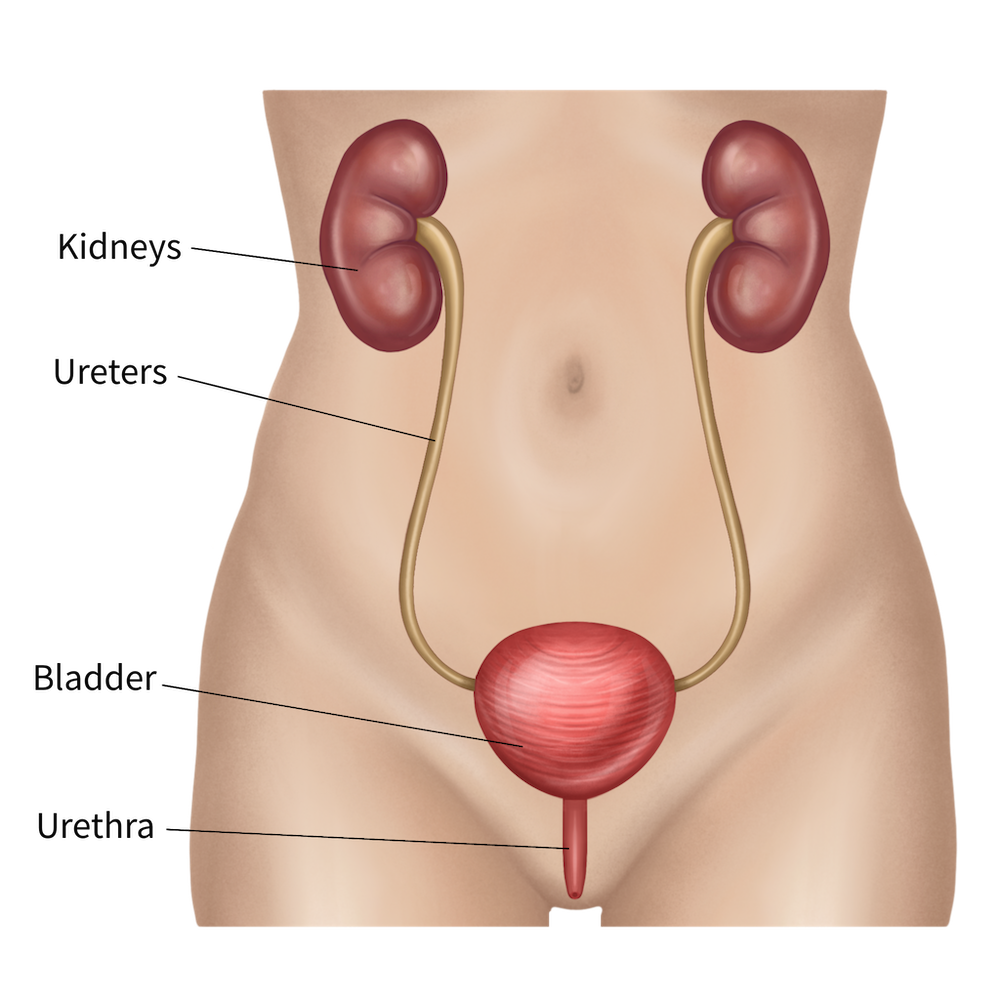
Your body naturally makes less urine while you sleep, and as a result, you can usually make it through the night without a bathroom trip. So, why do you pee so much at night? There are several possible explanations, from simple lifestyle factors to underlying medical conditions:2
- Too much fluid before bed: How much you drink can have a big impact on how much you wake to urinate at night. Drinking a lot in the evening means your kidneys have more work to do while you sleep.
- Caffeine or alcohol: Coffee, tea, soda, and alcohol can increase how much you have to pee, including during the night.
- Pregnancy: Hormonal and physical changes during pregnancy can increase your urinary frequency.
- Medications: Diuretics, sometimes called “water pills,” are designed to help your body get rid of extra fluids and make you pee more often. Other medications can cause urinary frequency as a side effect.
- Urinary tract infection (UTI) or other bladder problems: Infections and other bladder issues can cause urinary frequency or urgency. However, UTIs usually cause other symptoms, too.
- Perimenopause or menopause: Low estrogen levels during perimenopause and menopause can lead to all sorts of new bladder symptoms, including nocturia.
- Swelling in the legs: Sometimes, fluid can collect in your legs during the day and then return to your bloodstream when you lie down at night. But this can give your kidneys more fluid to process during the night.
- Sleep apnea or other sleep problems: Sleep disorders can contribute to nocturia but may improve when the underlying sleep problem is treated.
- Underlying health conditions: Diabetes, chronic kidney disease, heart failure, multiple sclerosis, and other conditions can affect how your body makes and manages urine.3 Diabetes insipidus and high blood calcium levels can also cause nocturia, but these are less common.
Your pelvic floor muscles impact your bladder function way more than you think. But the V-Hive App has everything you need to know about this important connection – and exercises to help.
Why am I peeing so much all of a sudden?
If you’re wondering, “why am I peeing so much all of a sudden?”, it can help to think about changes in your routine. For example, drinking more fluids than usual – especially if it’s caffeine or alcohol – can suddenly increase how much you have to pee for a short time. And starting a new medication, like a diuretic or “water pill,” can have a similar effect.
A UTI may also cause a sudden increase in urinary frequency. But usually UTIs cause other symptoms also, like urinary urgency and burning with urination (dysuria). And other temporary changes, like pregnancy, can quickly increase how much you need to pee.
If you’re suddenly peeing a lot and there isn’t an obvious reason for it’s best to talk with your healthcare provider. They can help you look for possible causes and put together a treatment program for your symptoms.
Is overactive bladder (OAB) causing my nocturia?

Maybe. Overactive bladder is a condition in which the bladder contracts at the wrong time, causing a sudden, strong urge to pee that can be difficult to control.4 It can also cause nocturia, daytime urinary frequency, and even bladder leakage (incontinence).
However, you can have OAB without nocturia and you can have nocturia without having OAB. So waking up frequently to pee doesn’t necessarily mean you have an overactive bladder.
If your nighttime urination happens along with daytime urgency, frequent urination, or other symptoms of overactivity, OAB may be a cause.
What are overactive bladder treatments?
Overactive bladder treatments depends on your symptoms and what’s causing them.5 Treatment often starts with:
- Lifestyle changes: Limiting caffeine and alcohol, managing fluid intake, and improving sleep habits may help.
- Bladder training: Learning to gradually increase the time between bathroom trips can help improve your bladder control.
- Kegel exercises: Strengthening your pelvic floor muscles may help improve bladder control and reduce urgency and leakage.
- Bladder diary: Tracking when and how often you pee, along with your fluid intake and symptoms, can help identify patterns and guide your treatment.
If these treatment aren’t helping, prescription medications and other medical treatments may also be considered. A healthcare professional can help determine which approach makes sense for you.
How is frequent urination at night diagnosed?
Frequent urination at night, or nocturia, is usually diagnosed by looking at your symptoms, health history, fluid intake, medications, and sleep patterns. Your healthcare professional may use:2
- A bladder diary: In a bladder diary you’ll record when and how much you drink and pee, including how many trips to the bathroom you make at night. This can help identify patterns and possible causes.
- A physical exam and medical history: Your doctor may look for signs of a medical condition that could be contributing to nocturia, including sleep apnea, OAB, or other bladder control problems.
- Urine and blood tests: These may help identify health conditions like a urinary tract infection (UTI), diabetes, or kidney problems. In some cases, your doctor may also look at how well your kidneys make urine.
- Other tests: Additional testing may be needed if your symptoms suggest a problem with your bladder, kidneys, or nervous system.
When your bladder acts up, it can feel overwhelming. But expert support and evidence-based strategies can make a huge difference. Get all of this and more with a V-Hive membership.
How is frequent urination at night treated?
Start by talking with your doctor or pelvic physical therapist. They can help you rule out any underlying health conditions.
The best treatment for nocturia depends on what’s causing it, but here are some things you may expect during treatment:
- Lifestyle changes: This may include adjusting your fluid intake, especially in the few hours before bed, and limiting caffeine and alcohol in the evening.
- Bladder habits: It may help to avoid peeing “just in case,” which can contribute to frequent peeing at night and affect your bladder control.
- Pelvic floor therapy: A pelvic floor physical therapist can help you improve bladder control through bladder training, Kegel exercises, and other strategies depending on your specific symptoms.
- Treating the underlying condition: If a medical condition, medication, sleep disorder, or other health issue is contributing to nocturia, treating that cause may reduce nighttime urination.
- Menopause hormone therapy: For some people, menopause hormone therapy is helpful in calming menopause-related urinary symptoms, including nighttime bathroom trips.7
A strong and flexible pelvic floor is important during the day and while you sleep. Talk one-on-one with a pelvic floor therapist to better understand your pelvic floor health.
When should you see a doctor about frequent urination at night?
Talk with a doctor if you have frequent urination at night that:6
- Continues for several nights or is becoming more frequent
- Regularly disrupts your sleep or bothers you
- Causes pain or burning when you pee
- Is accompanied by blood in your urine
Frequent urination at night: What it means and what to do
Waking up to pee once in a while is usually nothing to worry about. But if you’re having to get up a lot, it could have several different causes. Things like your fluid intake, bladder habits, sleep problems, and underlying health conditions like overactive bladder (OAB) could be the cause.
If it’s disrupting your sleep or daily life, your doctor or a pelvic floor physical therapy can help you figure out what’s contributing to your symptoms and improve your bladder control.
Your bladder shouldn’t steal your sleep. Get at-home pelvic floor support and expert guidance with the V-Hive App and improve your bladder control, starting tonight.
References
- Hou, X. Y., et al. (2025). Nocturia: An overview of current evaluation and treatment strategies. World Journal of Methodology.
- Leslie, S. W., et al. (2024). Nocturia. StatPearls.
- Peyronnet, B., et al. (2019). Nocturia in Patients With Multiple Sclerosis. Reviews in Urology.
- MedlinePlus. (n.d.). Overactive bladder.
- Babin, C. P., et al. (2024). Update on Overactive Bladder Therapeutic Options. American Journal of Therapeutics.
- MedlinePlus. (2025). Urination more at night.
- Pauwaert, K., et al. (2021). Hormone therapy as a possible solution for postmenopausal women with nocturia: results of a pilot trial. Menopause.