The first signs of perimenopause aren’t always obvious. Hot flashes and mood swings get most of the attention, but subtle changes, like a “disappearing labia,” are just as important to notice.
Don’t worry, your labia doesn’t actually disappear. But when your estrogen levels decrease during the menopausal transition, your vulvar tissues can lose some volume and elasticity. This thinning, called vaginal atrophy, can make your labia minora and labia majora appear smaller or flatter than you’re used to. These changes can also affect your bladder, causing urgency, leaks, frequent trips to the bathroom, and a higher risk of urinary tract infections (UTIs).
By paying attention to your body, doing simple monthly vulva checks, and proactively training your pelvic floor, you can feel more like yourself when menopausal symptoms are making it difficult.
Perimenopause affects your pelvic floor more than most people realize – and the V-Hive has a program built specifically for the menopausal transition.
Understanding perimenopause
Perimenopause is the transitional phase that leads up to when you’ve officially reached menopause, the day when you haven’t had a period for 12 consecutive months. It can start in your early to mid-40s and can last up to ten years.
During this time, your ovarian function slows, hormone levels become erratic, and your menstrual cycle may become heavier or lighter, shorter, or irregular.
But lower estrogen levels affect more than just your period. Estrogen helps keep your vulvar and vaginal tissues plump, elastic, well-lubricated, and rich with blood flow. When estrogen dips, these tissues can become thin, dry, and fragile — a set of changes known as genitourinary syndrome of menopause (GSM). GSM can include vulvar atrophy, vaginal dryness, and bladder changes that impact your daily life.1
These changes can be managed, but without support, women experience long-term effects on their vulvar tissues, bladder health, and the overall quality of daily life.
And low estrogen isn’t limited to natural menopause. Women experience low estrogen during breastfeeding (when hormone levels naturally drop to support milk production), after cancer treatments like chemotherapy, radiation, or surgical menopause (like the removal of your ovaries), or even from hormonal birth control use. Some research has linked oral contraceptives to an increased risk of vulvodynia and, in some cases, atrophic changes.2
Signs of perimenopause to watch for
Every woman experiences menopause differently. You may notice only a few changes or several at once. Here are some common perimenopausal symptoms to look out for.3
Vulvar changes:
- Thinner or smaller clitoris, labia minora, or labia majora
- Vaginal dryness, irritation, or sensitivity
Vaginal symptoms:
- Pain during sex
- Itching or burning
- Recurrent yeast infections or UTIs
Bladder changes:
- Increased urinary leakage
- Urgency to pee or frequent urination
Other symptoms of perimenopause:
- Mood swings or increased risk of depression4
- Changes in your sleeping habits, including insomnia or waking more at night
- Anxiety
- Weight gain
- Decreased libido
- Changes in skin or hair5
- Dizziness or lightheadedness6
Bladder leaks, dryness, pelvic pressure – these are common pelvic floor symptoms, and they’re treatable. The V-Hive Peri/Postmenopause Program was made for exactly this.
Monthly vulva checks for signs of perimenopause
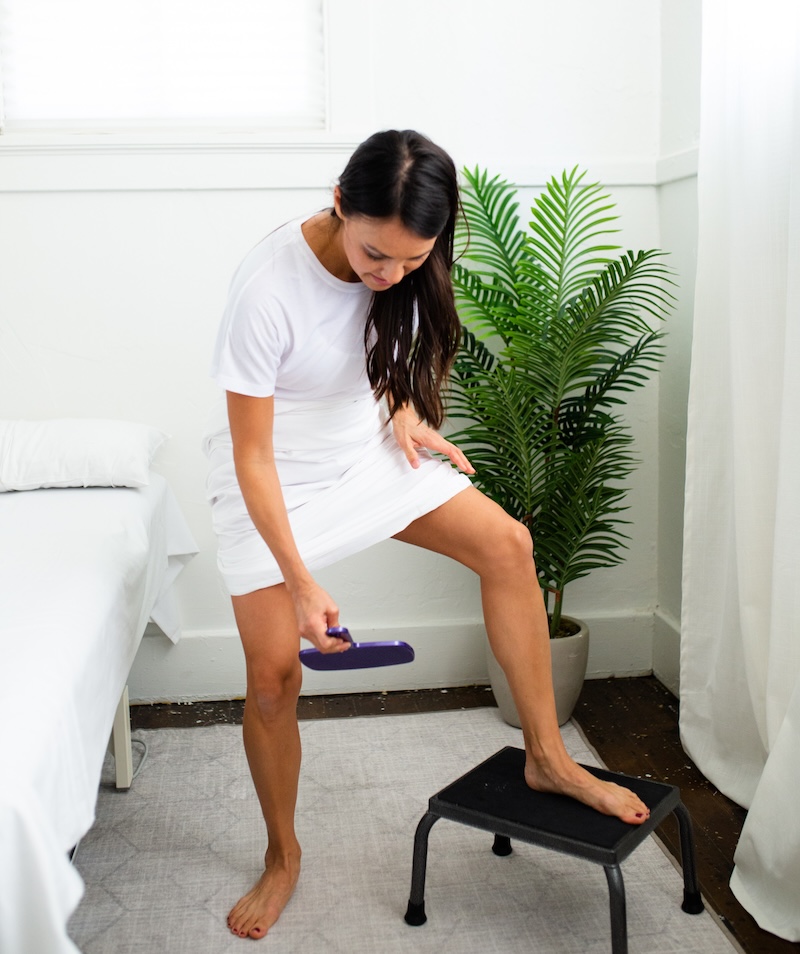
If you’ve ever wondered, “why is my labia minora disappearing?” — this could be one of the overlooked signs of perimenopause.
Because your vulva responds to changes in estrogen levels, monthly self-checks are one of the best ways to stay aware of subtle shifts. Everyone’s vulva is uniquely different, so the only thing you really have to compare yours to is…your own!
Below is what you can do to check your vulva. If you’re pregnant, less than 6 weeks postpartum, recovering from pelvic surgery, have a vaginal infection, or notice unexplained bleeding, check with your healthcare provider first.
1. Visual check
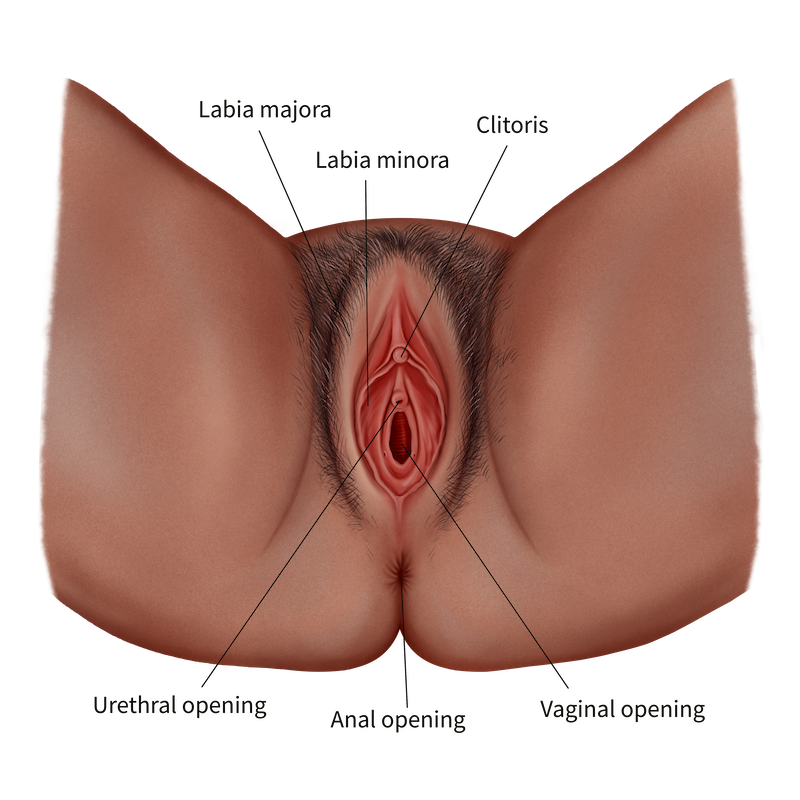
But before you start, find a comfortable, private space — your bed or bathroom work perfectly. Wash your hands, empty your bladder, and grab a mirror (any hand held mirror will do, or you get the Vievision mirror, which is specifically designed for self-checks):
- Sit or lie comfortably and place the mirror so you can see your vulva. Or stand and hold it between your legs.
- Look closely at your clitoris, labia, vaginal and urethral openings, and your perineal body (the area between your vagina and anus).
- Notice the shape, size, and color of your tissues. Pay attention to any changes in symmetry, thickness, or signs of vaginal dryness.
2. Tissue sensitivity check
It can also help to check in on how your tissues and muscles feel and work:
- Using a clean cotton swab or finger, gently touch areas around your vaginal and urethral openings and perineal body.
- Note any tenderness, bumps, or areas that feel different.
- If you want, put a little lubricant on your finger and insert it in your vaginal opening. Try squeezing and relaxing your pelvic floor muscles to feel how they contract and release. This should be pain-free.
3. Take notes for signs of perimenopause
Taking notes on what you observe each month can help you track changes over time and provide useful information during your healthcare visits.
These quick self-checks aren’t about diagnosis. They’re about awareness and giving you the power to recognize changes early and get help right away.
Why pelvic floor strength matters
Your pelvic floor muscles are also affected by perimenopause and menopause. With low estrogen, decreased collagen and the natural aging process, these muscles can weaken and lead to pelvic floor dysfunction. Symptoms may include bladder leaks, vaginal or vulvar pain, or pelvic organ prolapse.
Strengthening your pelvic floor is one of several effective treatment options for perimenopausal changes, along with hormone therapy, lifestyle shifts, and pelvic floor training. Guided exercises, simple daily routines, or a structured program like the perimenopause and postmenopause program in the V-Hive can improve strength, tissue support, and overall comfort.
You can think of your monthly mirror checks as awareness — and pelvic floor strengthening as action. Together, they give you a proactive way to protect your vulvar and pelvic health during the menopausal transition and check for signs of perimenopause.
Monthly self-checks are awareness. Pelvic floor training is action. The V-Hive has both covered.
When to get help
If you notice pain, sudden changes in your labia or vaginal tissues, unusual bulging, or unexplained bleeding, contact your gynecologist, primary care provider, or pelvic floor physical therapist.
Taking a few minutes each month to check in on your body is one of the best gifts you can give yourself. Your vulva, your pelvic floor, and your whole self are worth that attention.
And if you’re ready to do more than self-checks, the Perimenopause and Postmenopause Program in the V-Hive is here to support you. This program is expertly designed to help you reduce certain perimenopausal symptoms, restore body confidence, and feel more like yourself again — labia and all. Start with a free 7-day trial and take charge of your body through the menopausal transition.
References
- Musbahi, E., et al., (2022). Menopause, skin and common dermatosis. Part 3: genital disorders. Clin Exp Dermatol.
- Aerts, L., et al., (2021). Hormonal contraception and vulvodynia: an update. GREM Gynecological and Reproductive Endocrinology & Metabolism.
- The Menopause Society. (n.d.). Menopause topics: Perimenopause.
- Badawy, T., et al., (2024). The risk of depression in the menopausal stages: A systematic review and meta-analysis. Journal of Affective Disorder.
- Rawlins, A. (2025). Experiencing hair loss due to menopause? Here’s what to do about It. GoodRx.
- Rawlins, A. (2025). 5 natural remedies that can ease menopause dizziness. GoodRx.