Breastfeeding Dryness: How Hormones Affect Your Pelvic Floor

Last Updated:

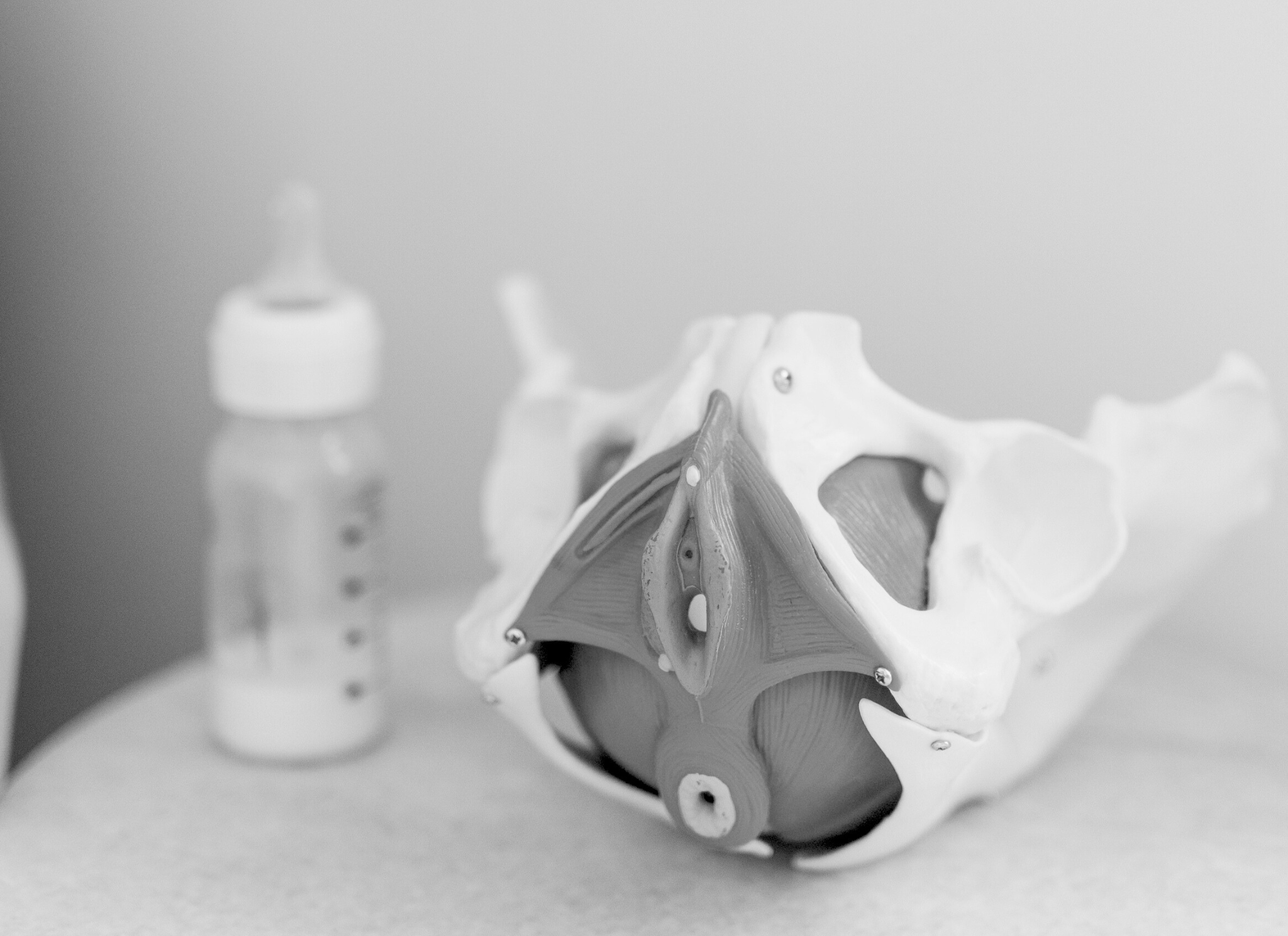
close up of a model of a pelvic sitting on a table next to a baby bottle

A topic often under-discussed is how breastfeeding or pumping affects your pelvic health and how estrogen plays into it. But understanding hormones during breastfeeding and breastfeeding dryness can help make sense of changes in your body after childbirth, especially during the postpartum period.

During pregnancy, you have almost 30 times as much estrogen!

Hence, the occasional emotional outbursts! This increased estrogen plays a significant role in your baby’s development and your milk duct system, which helps support breast milk production.

Immediately following childbirth, your estrogen levels drop drastically, allowing for an increase in prolactin. This is the primary hormone responsible for breast milk production. While these hormone level shifts are a normal part of the postpartum period, especially if you’re exclusively breastfeeding, this can ultimately impact your vaginal tissues and overall pelvic health.

How do low estrogen levels affect your pelvic health?

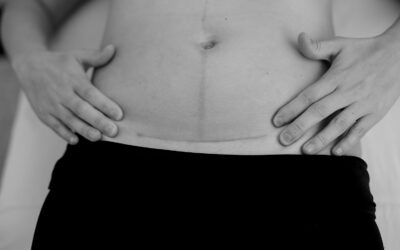
hands on abdomen showing pain with Breastfeeding dryness

When people talk about breastfeeding challenges, it usually focuses on milk supply or latching. But personal health symptoms like breastfeeding dryness, pain with sex, urinary symptoms, and pelvic discomfort can also play an important role in how you feel and how long you’re able to breastfeed.

Researchers have only recently started using the term Genitourinary Syndrome of Lactation (GSL) to describe this group of symptoms caused by low estrogen during breastfeeding and pumping. When you’re lactating, estrogen levels decrease while prolactin increases to support breast milk production. But similar to menopausal symptoms, these hormonal shifts can affect everything from your vaginal moisture and urinary function to your overall pelvic and sexual health.

Many parents — and even many healthcare providers — still don’t realize these symptoms are common, temporary, and treatable.

Vaginal/Breastfeeding dryness

Within a few weeks after childbirth, your vagina can feel very dry — like Sahara desert dry.

This can lead to pain and discomfort, especially when wearing underwear, tight clothing, or during sex. Staying hydrated and using a water-based lubricant during sex can help, but it’s important to talk to your doctor or a pelvic health physical therapist if your symptoms aren’t getting better.

Breastfeeding dryness is common, but that doesn’t mean you have to push through discomfort alone. The V-Hive offers expert-guided pelvic floor recovery programs designed for postpartum healing.

Explore postpartum recovery

Lack of a period

When your estrogen is low, it can impact your menstrual cycle and the timing of when your period returns. 

If you breastfeed for only a short period, your period may return within 6 to 8 weeks after childbirth. But if you’re exclusively breastfeeding or pumping long term, your period can take anywhere from 6 to 9 months or until you completely stop breastfeeding, which may be over a year.

Some signs of period returning while breastfeeding include:

  • Signs of ovulation (like cervical discharge changes or increased libido)
  • Mood shifts or PMS-like symptoms (like pelvic heaviness and cramping)
  • Slight changes in milk supply

When your period returns, it can feel unpredictable at first, which is completely normal.

Lack of libido

Decreased estrogen during breastfeeding and pumping can also decrease sex drive. Returning to being sexually active after birth is influenced by many different factors. For example, sleep deprivation, leaking breasts, body image, pain, and parental responsibility all play a role in why the frequency of sex may decline after childbirth. It’s also normal to not have any interest in sex after birth. Your body is doing a lot so be kind and patient with yourself and return when ready.

Lower estrogen can also affect vaginal lubrication and comfort, which may impact your libido.

Pelvic floor weakness

Low estrogen levels can also impact things like collagen and blood flow to your pelvic floor muscles and vaginal tissues, making them feel thinner and less resilient than before pregnancy. 

This doesn’t mean that the changes are permanent. But your tissues are in a recovery phase. Your body has been through a significant transformation. It needs to heal, and your pelvic floor and core need to be rehabbed before you return to exercise and high-impact activity.

Ready to rebuild strength after pregnancy and birth? The V-Hive App includes guided pelvic floor and core workouts you can do from home, at your own pace.

Start strengthening with the V-Hive

How to increase estrogen while breastfeeding

There’s no guaranteed way to make big changes in your estrogen levels while you’re breastfeeding. Afterall, your body is naturally suppressing it to support breast milk production. Staying hydrated, prioritizing rest (when possible), and getting enough high-quality nutrition are some of the best ways to naturally support your lactation.

Here are some foods that may support your overall hormone health:

  • Legumes (like lentils and beans)
  • Garlic oil 
  • Nuts and seeds 
  • Flaxseeds and sesame seeds
  • Soy (like miso and tofu)
  • Fruits (like dried fruits, oranges, strawberries, and peaches)
  • Vegetables (like kale, sprouts, and celery)
  • Dark chocolate

What can I do for pelvic health during breastfeeding?

#1 Get support

Two women sitting in chairs, one is pregnant and the other has her hand on the pregnant belly

Work with a lactation consultant to support latching, feeding, and milk supply regulation. Reducing feeding stress can be a great way to support you during breastfeeding.

#2 Moisturize, moisturize, moisturize!

medicine mama balm for breastfeeding dryness

For vaginal dryness and pelvic health, supporting your tissue comfort is key. Try these vaginal dryness natural remedies:

  • Prick a small capsule of Vitamin E and apply oil to your labia and vaginal opening several times a day.
  • Use a water-soluble lubricant during sex to decrease friction and pain.
  • Moisturizers for vaginal tissues like Bonafide’s Revaree Plus or VMagic by Medicine Mama.

Your physician or midwife may also recommend an estrogen-based cream. This may affect your breastmilk supply, so speak to your healthcare provider about possible side effects.

If discomfort continues, pelvic floor physical therapy can help address muscle tension and decrease pain and sensitivity.

#3 Switch up your period products

Your postpartum period may return heavier or differently than before pregnancy. You may need to adjust your period products as your menstrual cycles normalize. Try:

  • Menstrual cups for heavier flow
  • Pads or liners if tampons feel uncomfortable
  • Period panties to help with unexpected leakage
  • Switching to nontoxic products for sensitive vaginal and vulvar tissues

Not sure if your symptoms are “normal” postpartum? The V-Hive helps connect the dots between hormones during breastfeeding, pelvic floor symptoms, and recovery.

Get answers for your postpartum questions

Remember, breastfeeding dryness is only temporary

The effects of breastfeeding on your pelvic health are short-term and will all improve as feedings become less frequent and hormone levels rebalance. Breastfeeding will also not have any long-term effects on urinary leakage or pelvic organ prolapse, as research found no increased risk of these symptoms in exclusively breastfed women. 

Your experience may last days, months, or years — all of these are valid versions of normal.

In the meantime, there’s help! For expert support, guided postpartum programs, and pelvic floor workouts designed to help you feel stronger and more comfortable during breastfeeding and beyond, join the V-Hive today.

The V-Hive App

Your Pocket Pelvic Floor Therapist. Download the V-Hive Mobile App to access your pelvic floor and core workouts anytime, anywhere.

Start Your Free App Trial

You might also like…

What Causes Miscarriage? How to Heal Your Body and Heart

What Causes Miscarriage? How to Heal Your Body and Heart

Going through a miscarriage is one of the hardest things you may ever experience. The loss of a pregnancy affects not only your heart but also your body, leaving you with so many overwhelming  “what now?” moments.  While every person’s experience is different,...

read more
What Is a Queef and What Does It Mean for Your Pelvic Floor?

What Is a Queef and What Does It Mean for Your Pelvic Floor?

When air gets trapped inside of your vaginal canal, it eventually has to come out. (Cue the queef!) Sometimes it’s a whisper, other times, it’s loud enough to turn heads. Unlike gas from your digestive system, queefing is usually odorless and almost always harmless...

read more
Pelvic Floor Physical Therapy for Diastasis Recti Recovery

Pelvic Floor Physical Therapy for Diastasis Recti Recovery

Pregnancy asks a lot of your body. Just ask your core! As your baby grows, your abdominal wall expands, your connective tissue stretches, and your deep core muscles work overtime to provide support, from your ribs all the way down to your belly button. For many...

read more

Join the V-Hive waitlist!

Enter your name and email below and you'll be the first to know when our new app launches.

You have Successfully Subscribed!

How to Take Great Care of Your Pelvic Floor

Enter your name and email below and we'll send it right over.

Thank you! Check your inbox!

5 Myths We’ve Been Told About Pregnant Bodies

Enter your name and email below and we'll send it right over.

Thank you! Check your Inbox!

4 Signs of Pelvic Floor Muscle Tension

Enter your name and email below and we'll send it right over.

You have Successfully Subscribed!

How to Prepare Your Pelvic Floor & Core for Childbirth

Enter your name and email below and we'll send it right over.

Thank you! Check your Inbox!

6 Exercises To Strengthen Your Pelvic Floor and Core

Enter your name and email below and we'll send it right over.

Thank you! Check your inbox!

6 Exercises To Strengthen Your Pelvic Floor and Core

Enter your name and email below and we'll send it right over.

Thank you! Check your inbox!

5 Pelvic Floor and Core Exercises for C-section Recovery

Enter your name and email below and we'll send it right over.

Thank you! Check your inbox!

Take this one-minute quiz to get your personalized Pelvic Floor Roadmap to help with your most pressing pelvic floor problems.

Take The Quiz