If I think I have prolapse – do I need surgery? Not necessarily.
More than half of all women will experience pelvic organ prolapse (POP) in their lifetime.1 Symptoms can include pelvic heaviness, a feeling that something is “falling out,” urinary incontinence, or changes in sexual function, all of which can really affect your daily life.
Despite how common they are, pelvic organ prolapses are rarely talked about, leaving many women feeling confused and all alone in their symptoms. And even after talking to a healthcare professional, it’s common to feel like your experience was minimized and that surgery is your only option.2
But it’s important to know that it is possible to learn how to fix a prolapsed bladder without surgery. Research shows that nonsurgical treatments like pelvic floor physical therapy and guided at-home exercise programs can help improve your symptoms and pelvic organ support.
What causes a bladder prolapse?
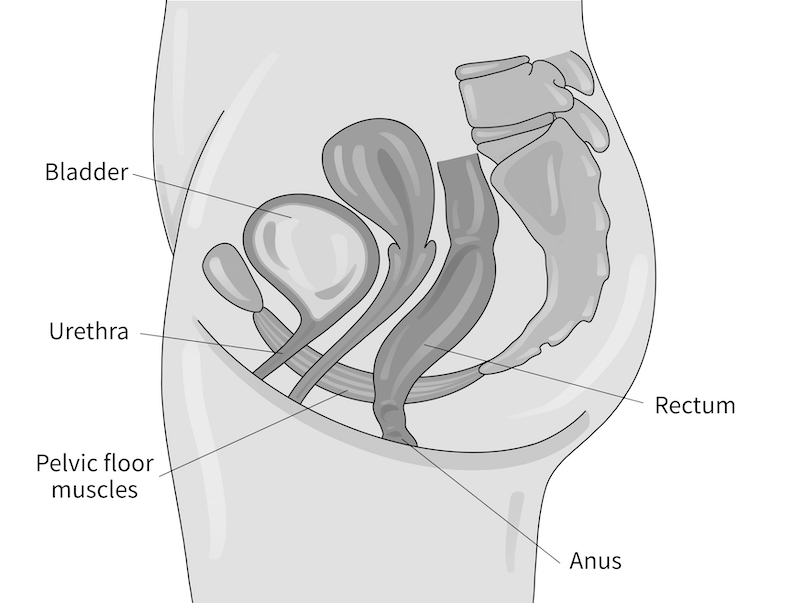
Before getting into treatment, it may help to understand a bit more about your pelvic floor and POP.
A bladder prolapse (cystocele) is a type of pelvic organ prolapse where your bladder drops into the vaginal walls because of injured or weakened pelvic floor muscles and connective tissue.
This support system can be affected by risk factors like childbirth, genetics, and long-term strain (like heavy lifting, constipation, or chronic coughing).3
What are bladder prolapse symptoms?
Prolapse symptoms can range from mild to severe and may include:
- A feeling of heaviness or pressure in your pelvis
- A feeling that something is “falling out”
- A visible vaginal bulge
- Urinary incontinence or bladder leakage
- Trouble emptying your bladder fully
- Difficulty inserting or keeping in place a tampon, menstrual cup, or applicator
- Changes in sexual intercourse, including discomfort or pain
Some people with POP may also experience bowel symptoms, including constipation or, in some cases, fecal incontinence.
What are the risk factors for bladder prolapse?
Bladder prolapse often develops from a combination of things that can add up over time, including:3
- Vaginal childbirth (especially if forceps were used)
- Aging and menopause
- Excess body weight
- Genetic connective tissue differences
- Chronic straining (constipation, coughing, heavy lifting)
How to fix a prolapsed bladder without surgery
Depending on your symptoms, type of prolapse, and goals, you may be able to fix a prolapsed bladder without surgery. First-line treatment options focus on improving pelvic floor muscles and reducing symptoms without surgery.4
The most effective nonsurgical treatments include pelvic floor muscle training and using a pessary.
Get fitted for a pessary
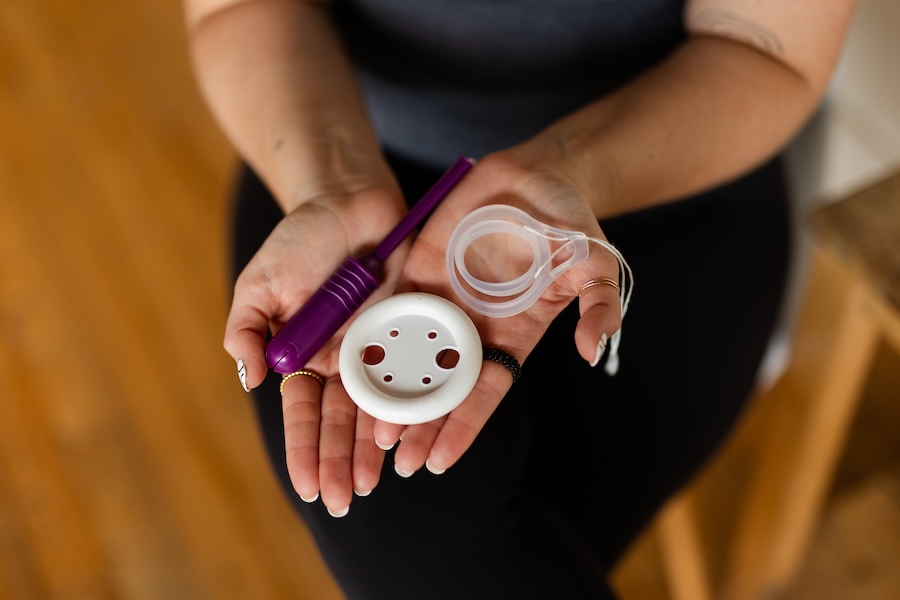
A pessary is a small device inserted into your vagina. It supports your vaginal walls and pelvic organs.
When fitted properly by a trained healthcare provider (like a gynecologist, urogynecologist, or pelvic physical therapist6), it can reduce prolapse symptoms like pressure, bulging, and urinary issues.5 Some women also notice improvements in urinary urgency and leakage during daily activities.
You can wear a pessary “full-time” or only during activities that increase your symptoms, like exercise or long days on your feet.
Pessaries are considered a safe, nonsurgical treatment option and have been shown to be most effective when combined with pelvic floor muscle training.7
Also, keep in mind:5
- Regular follow-up is important to check in on proper fit and tissue health
- They aren’t recommended if you have an active infection, unexplained vaginal bleeding, severe tissue damage, or a rare allergy to the material
- Use them with caution if you have vaginal dryness or fragile tissue, skin conditions, prior radiation, pregnancy, or difficulty keeping up with follow-up care
Pelvic floor muscle training
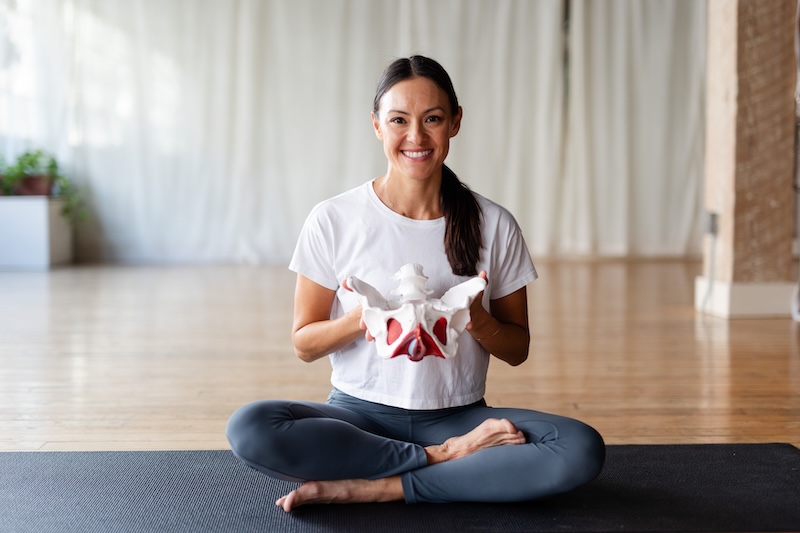
Pelvic floor muscle training (PFMT), which may include kegel exercises, is one of the most effective ways to manage prolapse without surgery.8
It works by strengthening your pelvic floor muscles and other core muscles to better support your pelvic organs and reduce symptoms.
A well-designed PFMT program should include:8
- Learning how to correctly contract and relax your pelvic floor muscles
- Following a structured strengthening plan
- Practicing consistently at home over time
- Improving pressure management during daily activities
Because every body is different, it can help to work with a pelvic floor therapist or follow a guided program. The V-Hive can help you find the best mix of exercises for your body and prolapse symptoms.
Don’t forget about your daily habits
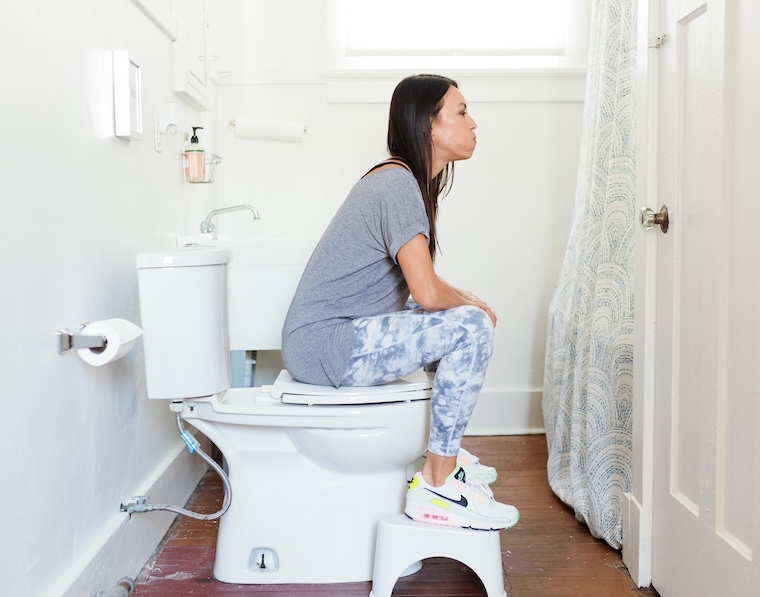
Your daily habits can play a big role in your pelvic floor health and prolapse symptoms. Protect your pelvic floor support by using proper lifting techniques and avoiding straining as much as possible (like during bowel movements or with heavy lifting). It’s also important to stay on top of managing health conditions that can lead to chronic coughing (like asthma or chronic obstructive pulmonary disease).
Small changes like these can really add up in a helpful way, by reducing pressure and strain on your pelvic floor – and prolapse.
When is prolapse surgery the right choice?
Surgical treatments for pelvic organ prolapse may be considered if your symptoms are severe or significantly affect your quality of life and haven’t improved with conservative treatment options.
But it’s best to talk with your healthcare team to decide if surgery is the right choice for you.
Prolapse surgery FAQs
If you’re considering surgery, here are some of your most common questions answered.
How long is prolapse surgery recovery?
Recovery after prolapse surgery varies depending on things like your type of surgery, but the initial healing phase is usually around 6 weeks.9
In the weeks after surgery, you’ll gradually return to normal activities. Pelvic floor exercises and guided movement can support healing and improve success rates.
Are there long-term restrictions after prolapse surgery?
In the past, many people were told to avoid heavy lifting and limit activity after prolapse surgery to protect the pelvic floor and small incisions as you heal. But newer research shows that these strict restrictions aren’t always necessary.
In fact, everyday movements like coughing or standing up from sitting can strain your pelvic floor more than lifting 20 lbs.10 Because of this, gradually returning to normal activity is often safe and may even improve pelvic floor function and reduce symptoms.11,12
That said, your recovery will depend on your health, the type of surgical procedure you had, and your surgeon’s recommendations. Following a guided pelvic floor muscle training (PFMT) program and your healthcare team’s advice can help support a safe, effective recovery.
What are the financial costs of POP surgery?
The cost of prolapse surgery can vary depending on the surgical techniques, location, and insurance.
Some estimates suggest the median cost is around $8,900, but it’s important to discuss financial details with your provider before surgery.13
What is the average age for prolapse surgery?
Pelvic organ prolapse becomes more common with age.14 According to some research, the average age for prolapse surgery is 62, but about 20% of women younger than 50 undergo this surgery.13
Fix your prolapsed bladder without surgery with the V-Hive
If you’re dealing with symptoms of bladder prolapse, it’s possible to heal your body without surgery. With the right treatment and expert guidance, you can restore your pelvic floor strength, calm your urinary symptoms, and learn to support your body through every laugh, cough, poop, and day-to-day movement…all without surgery.
For expert-guided exercise programs that are affordable, accessible, and designed for your pelvic health at every stage and every age, join the V-Hive now.
Resources
- Brown, H. W., et al. (2022). International urogynecology consultation chapter 1 committee 2: Epidemiology of pelvic organ prolapse: prevalence, incidence, natural history, and service needs. International Urogynecology Journal.
- Carroll, L., et al. (2023). Pelvic organ prolapse: Women’s experiences of Accessing Care & Recommendations for improvement. BMC Women’s Health.
- Deprest, J. A., et al. (2022). International Urogynecological Consultation (IUC): pathophysiology of pelvic organ prolapse (POP). International urogynecology journal.
- Pizzoferrato, A. C., et al. (2023). Management of female pelvic organ prolapse-Summary of the 2021 HAS guidelines. Journal of gynecology obstetrics and human reproduction.
- Rantell, A., et al. (2025). International Urogynecology Consultation Chapter 3 Committee 1 – Pessary Management. Int Urogynecol J.
- APTA Pelvic Health. (2022). Pessary fitting and management position statement.
- Cheung, R. Y., et al. (2016). Vaginal Pessary in Women With Symptomatic Pelvic Organ Prolapse: A Randomized Controlled Trial. Obstetrics and gynecology.
- Bø, K., et al. (2022). International urogynecology consultation chapter 3 committee 2; conservative treatment of patient with pelvic organ prolapse: Pelvic floor muscle training. Int Urogynecol J.
- University of Utah Health. (n.d.). Prolapse surgery.
- Yamasato, K. S.,et al. (2014). Intraabdoninal pressure with pelvic floor dysfunction: do postoperative restrictions make sense?. The Journal of reproductive medicine.
- Mueller, M. G., et al. (2017). Activity Restriction Recommendations and Outcomes After Reconstructive Pelvic Surgery: A Randomized Controlled Trial. Obstetrics and gynecology.
- O’Shea, M., et al. (2023). Standard restrictions vs expedited activity after pelvic organ prolapse surgery: A randomized clinical trial. JAMA.
- St Martin, B., et al. (2024). Estimated National Cost of Pelvic Organ Prolapse Surgery in the United States. Obstetrics & Gynecology.
- Kuo CH, et al. (2025). Pelvic organ prolapse. StatPearls.