First time sex is one of those polarizing life moments that’s filled with half-truths, quiet warnings, and the occasional overly confident friend who will insist that everything will be magical. The reality is usually somewhere in between awkward and unexpectedly sweet and with plenty of, “Wait…no one told me about that part!”
So…what will first time sex really feel like? Does sex hurt the first time? And what should you know before having sexual intercourse for the first time? Here’s the information you really need.
What will first time sex feel like?
Well, it wildly depends.
Research shows that just like sex at any other time, the possibilities of your first sexual experiences can really be endless. Some people say it feels good. Some people feel pain or discomfort. And many feel everything all at once.
In one large study, people described their experiences with first time sex as everything from excitement to awkwardness to curiosity to anxiety.1 Another study found that things like your feelings or mood surrounding your first time, the quality of your relationship, and your expectations for sex can strongly influence whether first time sex is a positive or negative experience.2
And across these studies, some themes popped up:
- Lots of people feel nervous or unsure at first.
- Sex feels more pleasurable if you’re feeling comfortable and communicate with your partner.
- If you feel rushed, tense, or uncomfortable with the situation, you’re likely to have more discomfort or even pain.
- Your emotional connection often matters more than the physical details.
- A lot of people report that the experience was not what they expected, for better or worse…it was just not what they expected.
The reality is that first time sex isn’t magical or transformative. No one can “tell” that you’ve had sex. First time sex isn’t a universal rite of passage. It’s just one single moment of your sexual life.
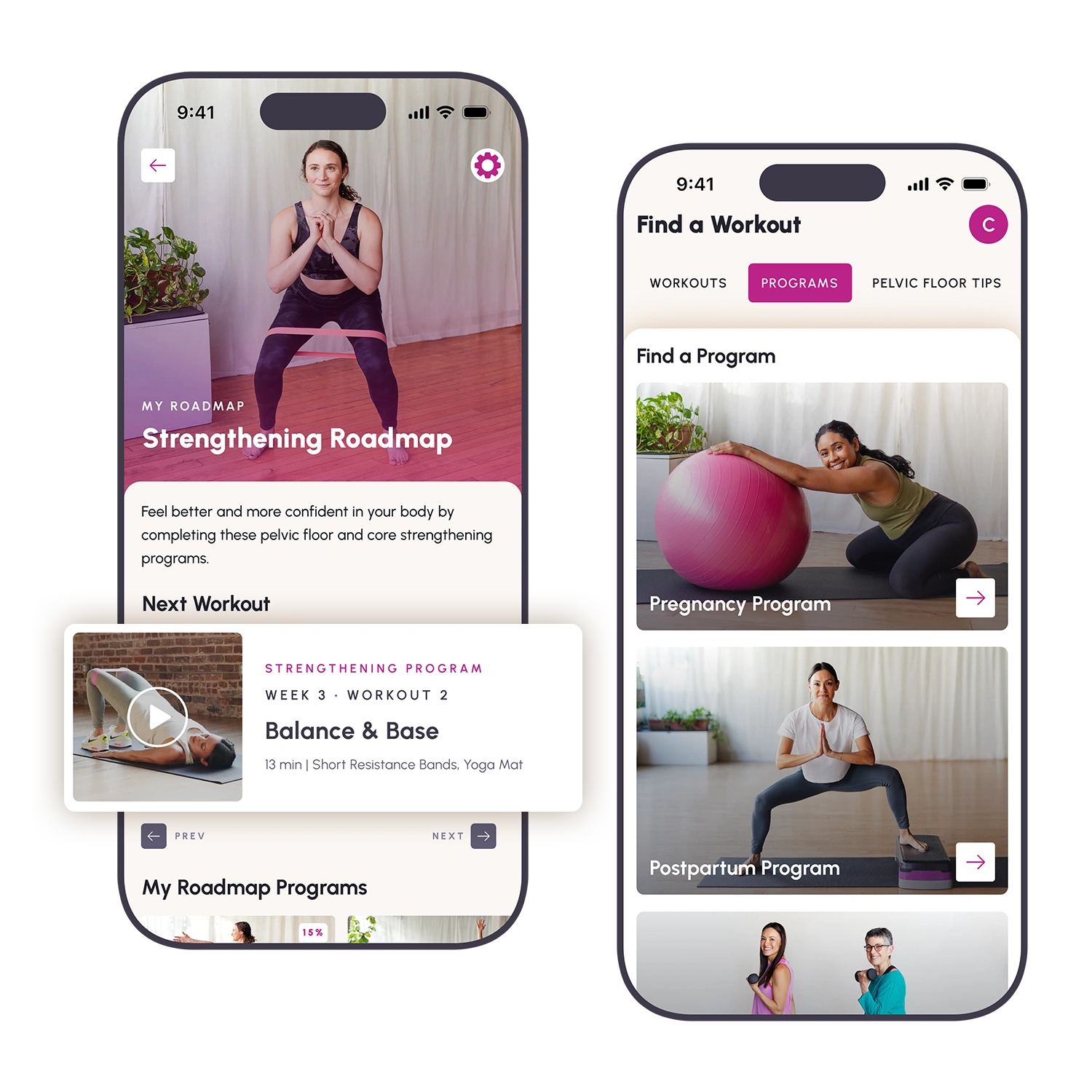
To feel more relaxed and prepared for whatever your first time having sex holds, check out the V-Hive app to prepare both body and mind for what’s ahead.
What to know before having sex for the first time
Sex isn’t just body parts doing mechanical things, it’s a full biopsychosocial event. In other words, you aren’t just feeling sensations down there, it’s physical, emotional, cultural, and deeply personal.
Physically, depending on your anatomy and the type of sex you are having (penetrative sex, oral sex, or using sex toys), you may experience:
- Increased blood flow to genitals (this will be a feeling or fullness or swelling around the vaginal opening)
- Vaginal lubrication (the sensation of being wet)
- Heightened sensitivity (your nerves become more sensitive so touch feels more intense)
- Pelvic floor relaxation if your nervous system feels safe (your pelvic floor muscles may feel softer or you may not notice a difference)
- Pelvic floor tension if you feel anxious or pressured (like a tightness or clenching)
- Faster breathing or flushed skin (or even a racing heartbeat)
- Emotional shifts (your feelings can shift around quickly from feeling nervous or excited to tender or vulnerable)
And then, you may (or may not) have an orgasm. An orgasm is basically a rush of intense pleasure and a few quick pelvic muscle pulses that feel warm, tingly, or like a wave moving through you. Everyone experiences them differently, and it’s also totally normal not to have one during first-time sex.
It may also help to know that there is a huge “orgasm gap” between men and women. Research shows that men orgasm more often than women, and vaginal penetration alone isn’t the most reliable route to orgasms for most women.3 In other words, not having an orgasm during first time sex isn’t a failure. It’s a completely normal part of learning what your body likes.
Does sex hurt the first time?
When you’re having sex for the first time, you may feel some discomfort, especially with penetrative sex. You may feel pressure, stretching, or mild pain near the vaginal opening. This should get better as sex goes on and usually feels even better during future sex experiences.
But moderate to severe pain, pain that doesn’t improve during sex, sticks around afterward, or continues during future sex experiences is not normal. If this happens to you, reach out to a pelvic health physical therapist or another healthcare provider. They can check for any underlying causes of painful intercourse, like pelvic floor muscle dysfunction or another treatable condition.
What is normal during first time sex?
Lots of things are totally normal during first time sex, like:
- Feeling awkward, shy, or laughing through the nerves of it all
- Needing to pause, adjust, or add more lubricant
- Not knowing exactly what to do and needing to talk to your partner
- Not having an orgasm
- Feeling emotional afterward
- Mild discomfort with penetration at first
- Light bleeding or no bleeding at all
It’s also completely normal to skip penetration during your first time or decide you don’t feel ready. You get to decide when you’re ready to have sex, what kind of sex you want, and what feels right for your body.
What is not normal during first time sex?
While there are a lot of awkward, but totally normal, things that can happen during sex, there are some things that deserve more attention. For example, it’s not normal to have:
- Sharp pain, burning, tearing, or feeling pain that lingers afterward
- Heavy bleeding
- Feelings of being pressured, unsafe, or panicked about your choices and your body
- Your body shutting down or tensing so much that penetration isn’t possible
- Ongoing painful intercourse
These can be signs of pelvic floor tension, vaginismus, or other treatable conditions.
If any of this sounds familiar, the V-Hive is full of stretches and guidance to help make sex more comfortable and pleasurable, the first time and every time.
Learn about comfortable sex with the V-Hive
How culture and religion can shape your first sexual experience
Sex doesn’t just happen in a vacuum. You are shaped by your culture, family’s expectations, religious beliefs, and social pressures. And it’s common for you to internalize these influences long before you ever considered becoming sexually active.
Studies show that people raised in strict purity culture environments often experience more shame, sexual anxiety, and difficulty relaxing during sexual experiences.4 When sex is taught as something dangerous, sinful, or identity defining, your nervous system may interpret it as a threat. And this can contribute to physical tension, reduced lubrication, and pain during sex.
Other research on religious influence shows that upbringing can shape expectations about who should initiate sex, whether pleasure is allowed, and how people interpret their own physical responses.5
If you feel nervous, guilty, overwhelmed, or disconnected during first time sex, you’re not broken. And you’re definitely not alone. You may simply be untangling years of messaging about what sex is supposed to mean.
Tips for making first time sex more comfortable
Think of this section as your pelvic health starter kit. You do not need to be an anatomy expert to have comfortable sex, but a little knowledge and preparation can go a long way.
1. Learn about your pelvic floor
These deep muscles have a huge influence on whether sex feels pleasurable or painful. A relaxed pelvic floor can make sex more comfortable. Tense pelvic floor muscles can make sex feel tight or painful.
2. Practice pelvic floor softening
Your pelvic floor muscles play a big role in how sex feels. When they’re relaxed, penetration can feel easier and more comfortable. When they’re tense, because you’re nervous, stressed, or just new to all of this, you might feel tightness, a “wall,” or sharp pain.
Things like gentle belly breathing and yoga stretches like child’s pose, happy baby, or supported hip stretches can reduce tension and pelvic floor pain during sex.
3. Use plenty of lubricant
Lube is always a good idea during first-time sex (or any time during sex for that matter). Your body might be excited but still dry, and added lubrication can help keep things comfortable, prevent irritation, and help you relax into things. Hormones, nerves, and stress all affect natural wetness, so lube fills the gap so everything feels smoother, safer, and way more enjoyable.
4. Take your time with arousal
Your body usually needs more of a warm-up than you think. Arousal builds gradually. Touch, kissing, and external stimulation help your brain and body sync up so that your desire builds and orgasm becomes more possible. Slow is good…think simmering, not instant.
5. Choose positions that give you control
Positions that let you manage the depth and pace of sex can make first-time penetration feel safer and more comfortable. Try setups where you’re on top or can easily shift your hips, pause, or change angles. Your goal is to feel in control so your body can relax and enjoy.
6. Start small if penetration is involved
If you’re nervous about what it will feel like, start with something smaller at first, like a finger, vaginal dilator, or slim sex toys. This can help your body adjust at a pace that is comfortable for you.
7. Try mind body prep
Self-guided programs, like the Relaxation Program in the V-Hive, are a great way to take control and prep your body for comfortable sex. The Relaxation Program in the V-Hive app combines education on your pelvic health with guided exercises that you can practice in the privacy of your own home!
8. Protect your sexual health
Use protection, get tested, and take steps to prevent sexually transmitted infections (STIs) so you can feel safe and confident.
Get comfortable first time sex with support from the V-Hive
First time sex is not a pass-or-fail exam. It’s a new experience that can be a very important and memorable moment. So you deserve to be prepared and informed.
If you want to understand your body, relax your pelvic floor, and approach sex without fear or tension, join the V-Hive totally free. You’ll get expert-informed, research-backed tools to help you feel strong, prepared, and ready for pleasurable first time sex.
References
- Boydell, Victoria, Kate Q. Wright, and Richard D. Smith. “A Rapid Review of Sexual Pleasure in First Sexual Experience(s).” The Journal of Sex Research, vol. 58, no. 7, 2021, pp. 850–862. Taylor & Francis Online, https://doi.org/10.1080/00224499.2021.1904810.
- Higgins, Jenny A., James Trussell, Nancy B. Moore, and John K. Davidson. “Virginity Lost, Satisfaction Gained? Physiological and Psychological Sexual Satisfaction at Heterosexual Debut.” The Journal of Sex Research, vol. 47, no. 4, 2010, pp. 384–394. Taylor & Francis Online, https://doi.org/10.1080/00224491003774792.
- Frederick, David A., et al. “Differences in Orgasm Frequency Among Gay, Lesbian, Bisexual, and Heterosexual Men and Women in a U.S. National Sample.” Archives of Sexual Behavior, vol. 47, no. 1, 2018, pp. 273–288. Springer Link, https://doi.org/10.1007/s10508-017-0939-z.
- Castellini, Giovanni, et al. “Psychological, Relational, and Biological Correlates of Ego-Dystonic Masturbation in a Clinical Setting.” Sexual Medicine, vol. 4, no. 3, 2016, pp. e156–65. Elsevier, https://doi.org/10.1016/j.esxm.2016.03.024.
- Navarro-Prado, Silvia, et al. “Sexuality and Religious Ethics: Analysis in a Multicultural University Context.” Healthcare, vol. 11, no. 2, 2023, p. 250. MDPI, https://doi.org/10.3390/healthcare11020250.