Top 11 Tips for Constipation During Pregnancy

Last Updated:

constipation-during-pregnancy

Pregnancy comes with all sorts of changes, and constipation during pregnancy is one of the most common. Many pregnant women notice bowel movements become less frequent, stools become harder, and bowel movements feel more uncomfortable or even painful. 

Thanks to pregnancy hormones, iron-containing prenatal vitamins, a growing uterus, and reduced physical activity, your digestive system may slow down.

While uncomfortable, constipation is really common during pregnancy. And there are plenty of safe, effective ways to get relief and prevent constipation from getting worse.

What causes constipation during pregnancy?

Constipation during pregnancy is usually caused by a combination of overlapping factors, including:

  • Pregnancy hormones: Increased progesterone levels relax smooth muscle in your digestive system, slowing gut motility.1
  • Growing uterus: As your uterus expands, it puts pressure on your bowels, making bowel movements less efficient.
  • Prenatal vitamins and iron supplements: Iron is essential for proper fetal development but it has digestive side effects. Research suggests that iron can dry stool and alter gut bacteria.2
  • Reduced physical activity: Fatigue, nausea, or pelvic pain can limit movement, slowing digestion.
  • Dehydration: You need more water than usual during pregnancy because of things like blood volume, metabolism, and amniotic fluid.3 Without drinking plenty of fluids, your body pulls it from stool, making it harder and difficult to pass.

Signs and symptoms of pregnancy constipation

You may be have pregnancy constipation if you notice two or more of the following:4

  • Fewer than three bowel movements per week
  • Hard, dry, or lumpy stools
  • Straining during bowel movements
  • A feeling of incomplete emptying or blockage
  • Needing to manually assist bowel movements

Constipation during pregnancy can also cause abdominal pain cramping, bloating, nausea, or painful bowel movements.

While you’re here, get more expert pelvic health tips and pregnancy support with the V-Hive membership.

See what’s inside the V-Hive

Tips for constipation relief in pregnancy

Below are 11 evidence-based strategies for constipation relief during pregnancy that are safe and effective for most people.

1. Drink plenty of water

bristol stool chart for skid-marked underwear

Drinking plenty of water helps keep stools soft and easier to pass. Ideally, your stool should be firm but soft, similar to “type 4” in the chart above.

Aim for:

  • About half your body weight (in ounces) per day
  • Pale yellow or almost clear urine

2. Eat fiber-rich foods

Fiber-rich foods add bulk and softness to stool and support digestion. Aim for 25 to 35 grams of fiber every day (depending on your age) from:5

  • Fruits and vegetables
  • Beans and lentils
  • Whole grains
  • Seeds like chia or flax

Increase fiber gradually to avoid bloating.

3. Use fiber supplements if needed

If diet alone isn’t enough, fiber supplements for constipation during pregnancy may help. Fiber supplements improve stool bulk and movement and come in two forms:

  • Soluble fiber, which absorbs water and softens stool
  • Insoluble fiber, which adds bulk and speeds movement through your digestive tract.

Aim for a balanced mix of soluble and insoluble fiber (along with plenty of water). Always check with your OB-GYN before starting a fiber supplement. They can help you find a pregnancy-safe option.

4. Try warm fluids

Warm liquids can generally stimulate digestion without stimulant laxatives. Helpful options include:

  • Warm water with lemon
  • Herbal teas like ginger or peppermint
  • Warm broth

These are often most effective in the morning.

5. Move your body

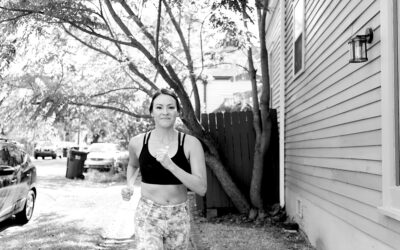
running while pregnant

Regular physical activity supports gut motility. Try:

  • Walking 20-30 minutes
  • Prenatal yoga
  • Swimming
  • Pelvic floor-friendly strength exercises

Movement helps your digestive system and whole body, so keep moving with safe prenatal movement guidance.

Explore pregnancy workouts in the V-Hive app

6. Don’t ignore the urge to poop

Delaying bowel movements can interrupt natural reflexes, make stool harder, and worsen constipation over time. When possible, go when the urge shows up, even if it means pooping in a public bathroom. 

7. Establish a bowel routine

Consistency matters. Your bowels are most active in the morning, so try:

  • Warm fluids after waking
  • A light, high-fiber breakfast
  • Gentle movement
  • Sitting on the toilet for up to 10 minutes around the same time each day.

The goal isn’t to force a bowel movement, but training your body to respond naturally.

8. Improve toileting posture

Proper posture reduces pelvic floor strain and makes passing stools easier:

  • Put your feet on a stool or Squatty Potty so knees are above hips
  • Leaning forward slightly 
  • Relax your belly and pelvic floor
  • Exhale gently instead of straining

9. Push without straining

breathing on toilet using squatty potty while pregnant

Avoid breath-holding. Instead:

  • Exhale while you push like you’re blowing out a birthday candle. (Some people find a gentle hissing or low grunting sound helps, too.)
  • Let your belly expand outward
  • Allow the pelvic floor to relax

10. Consider magnesium (with doctor approval)

Some doctors recommend magnesium citrate:6

  • Support bowel motility
  • Soften stool
  • Reduce straining

Only use magnesium supplements if approved by your healthcare provider.

11. Address pelvic floor function

Constipation during pregnancy can be linked to pelvic floor tension or coordination issues. Pelvic floor physical therapy can help with:

  • Toileting mechanics
  • Relaxation and breathing strategies
  • Pregnancy-safe movement

Want expert pelvic floor guidance through pregnancy?

See our FAQs and membership options

When to call your doctor

Constipation isn’t usually dangerous, but contact your provider if you experience:

  • Severe or worsening abdominal pain
  • Rectal bleeding or mucus
  • Constipation alternating with diarrhea
  • No bowel movement for several days
  • Persistent vomiting
  • Increasing pain when trying to pass stool

Your doctor can rule out other causes and recommend safe treatments, including stool softeners when appropriate.

Ease constipation in pregnancy with the V-Hive

Constipation during pregnancy is uncomfortable but manageable. With the right daily habits (fiber, movement, pelvic floor strategies, and medical guidance) you can improve digestion, make stools easier to pass, and feel more in control of your symptoms.

You don’t have to manage pregnancy constipation alone. Inside the V-Hive, you’ll find expert guidance, pelvic floor education, and pregnancy-safe support to help you feel confident throughout pregnancy.

I want pregnancy workouts!

References

  1. Alqudah M., et al. (2022). Progesterone inhibitory role on gastrointestinal motility. Physiol Res.
  2. Bloor, S. R., et al. (2021). Oral Iron Supplementation—Gastrointestinal Side Effects and the Impact on the Gut Microbiota. Microbiology Research
  3. Mulyani, E. Y., et al. (2021). Effect of dehydration during pregnancy on birth weight and length in West Jakarta. Journal of Nutritional Science. 
  4. Rome Foundation. (n.d.). Rome IV Criteria
  5. Dietary Guidelines for Americans 2022-2025.
  6. MedlinePlus. (2019). Magnesium Citrate.

The V-Hive App

Your Pocket Pelvic Floor Therapist. Download the V-Hive Mobile App to access your pelvic floor and core workouts anytime, anywhere.

Start Your Free App Trial

You might also like…

How to Get Sciatica Pregnancy Relief 

How to Get Sciatica Pregnancy Relief 

Sciatica occurs when something puts pressure on your sciatic nerve, which originates from the part of your spinal cord in your lower back, traveling through your buttock muscles and down the back of your thigh. A bulging disc from your low back, poor posture or body...

read more
Midwife vs Doula: Key Differences in Childbirth Support

Midwife vs Doula: Key Differences in Childbirth Support

When you're expecting a baby, suddenly there's a whole new world of information to navigate. From breast pumps to birthing plans, the learning curve can feel steep.  Two key birthing specialists that you'll likely encounter in this process are midwives and doulas....

read more
Creating Comprehensive Twin Birth Plans

Creating Comprehensive Twin Birth Plans

When you're pregnant with twins, it can suddenly feel like you're juggling twice the excitement — but also twice the anxiety. And if at the top of your list of worries is “How is my body going to handle birth??” Don't worry, we’ve got all the answers for creating twin...

read more

Join the V-Hive waitlist!

Enter your name and email below and you'll be the first to know when our new app launches.

You have Successfully Subscribed!

How to Take Great Care of Your Pelvic Floor

Enter your name and email below and we'll send it right over.

Thank you! Check your inbox!

5 Myths We’ve Been Told About Pregnant Bodies

Enter your name and email below and we'll send it right over.

Thank you! Check your Inbox!

4 Signs of Pelvic Floor Muscle Tension

Enter your name and email below and we'll send it right over.

You have Successfully Subscribed!

How to Prepare Your Pelvic Floor & Core for Childbirth

Enter your name and email below and we'll send it right over.

Thank you! Check your Inbox!

6 Exercises To Strengthen Your Pelvic Floor and Core

Enter your name and email below and we'll send it right over.

Thank you! Check your inbox!

6 Exercises To Strengthen Your Pelvic Floor and Core

Enter your name and email below and we'll send it right over.

Thank you! Check your inbox!

5 Pelvic Floor and Core Exercises for C-section Recovery

Enter your name and email below and we'll send it right over.

Thank you! Check your inbox!

Take this one-minute quiz to get your personalized Pelvic Floor Roadmap to help with your most pressing pelvic floor problems.

Take The Quiz