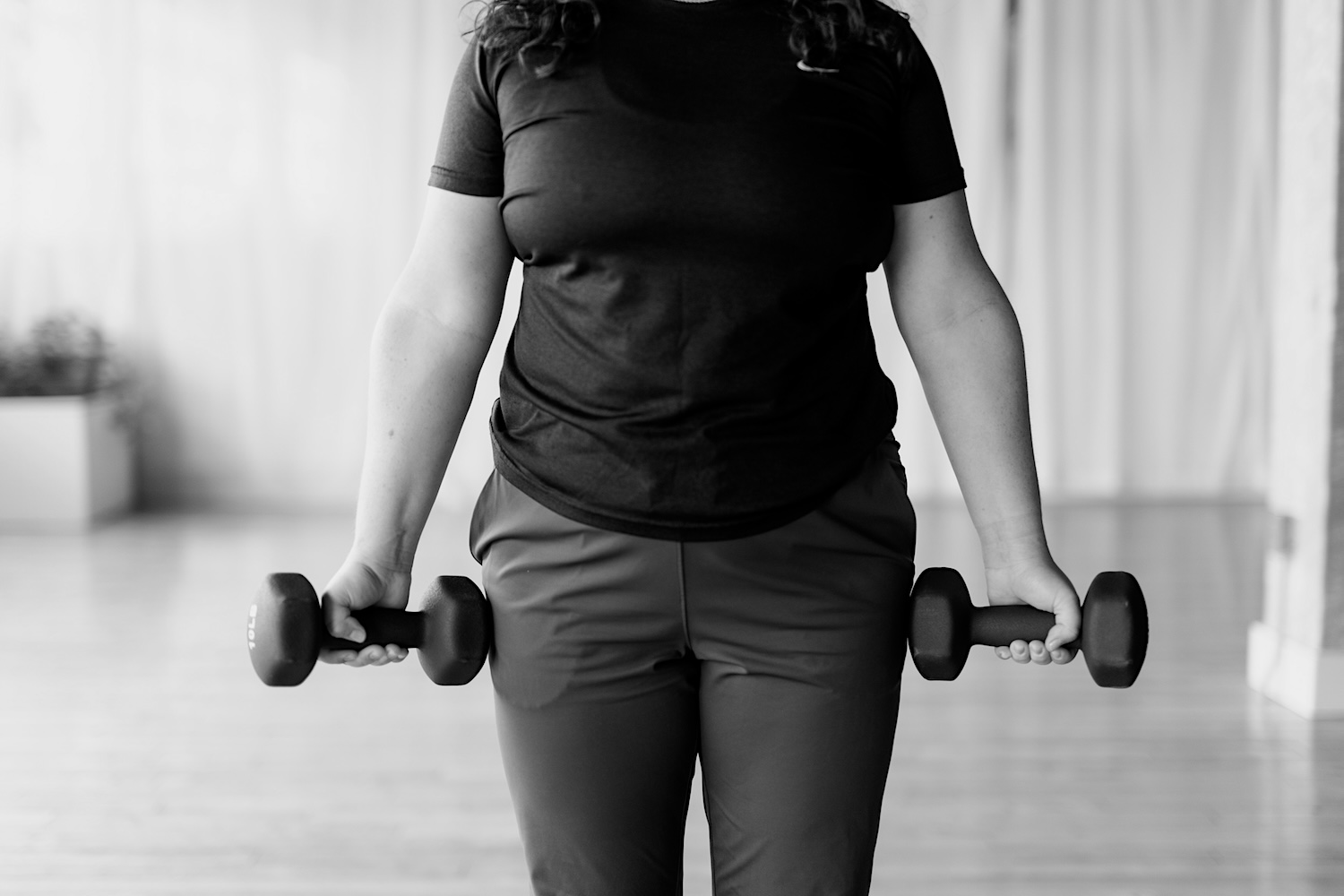
For many new moms, returning to exercise after birth can feel both exciting and totally crazy. Your body has been through a wild amount of change, and you’re ready to feel strong again. But you also want to do it safely.
Postpartum weight lifting can be one of the best ways to rebuild strength and confidence, as long as you take it slow, increase weight and intensity slowly, and listen to your body.
Understanding your postpartum body
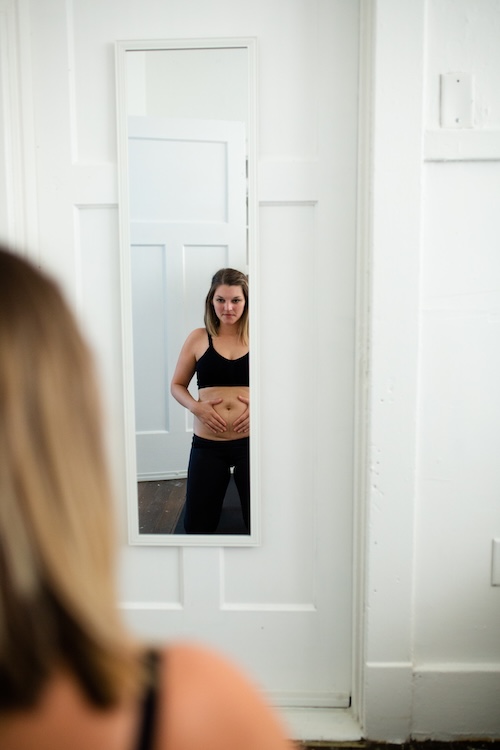
Let’s be honest, pregnancy and birth ask a lot of your body. For about nine months, you were essentially an endurance athlete.1 Your metabolism nearly doubled, your heart and lungs worked overtime, and your posture, ligaments, and muscles constantly adapted to new demands.
Then came birth. Whether vaginal or by c-section, it brought major structural change. Vaginal delivery can stretch the pelvic floor muscles up to three times their usual range, while a cesarean involves extensive healing of the abdominal wall and fascia that goes far beyond the 6-week postpartum checkup.2 These shifts, plus hormonal changes and the demands of breastfeeding, make postpartum recovery much more than a “return to normal.” It’s a full-blown-body rebuild.
You may also notice some muscle weakness or loss of strength. Deep core muscles like your transverse abdominis and pelvic floor have been stretched and now need to relearn how to support daily movement — from lifting your baby to carrying laundry. And while breastfeeding itself doesn’t raise injury risk, research shows women who sharply decrease activity during pregnancy are far more likely to experience pain or injury later.3
So in reality, you’ve trained, delivered, and now you’re healing — likely all while sleep-deprived and doing everything one-handed. It’s a lot. But recovery doesn’t mean you’re starting from scratch. By approaching postpartum weight lifting with patience and respect for what your body has accomplished, you’re setting the stage for safe, lasting strength.
Why weight lifting after birth matters
Strength training after birth offers benefits that go far beyond just physical appearance.4 It helps:
- Rebuild core strength, supports posture, and improves functional movement for daily life
- Prepare your whole body for other postpartum exercises or high impact exercise like running
- Prevent diastasis recti and pelvic floor symptoms like leakage or heaviness
- Improve energy, mood, and mental health — benefits every new parent can use
- Support better sleep and overall physical comfort
- You find a more comfortable postpartum weight
During a time when your sense of self may feel in flux, rebuilding strength can also remind you that your body is capable, adaptable, and deserving of care.
How to build strength safely postpartum
There’s no universal timeline for returning to exercise. Every body heals differently depending on things like your birth experience, health history, and goals. As you return to weight lifting postpartum, focus on steady progress and connection with your body, not quick results:
- Reconnect before you rebuild: Gentle movement can start early in the postpartum period — within days of birth if it feels good. Start with diaphragmatic breathing, light pelvic floor exercises, and mindful movement to reconnect your deep core and transverse abdominis before adding weight.
- Focus on function and form: Begin with functional movements like bridges, supported squats, or heel slides. Prioritize control and quality of movement over intensity.
- Pay attention to symptoms: Pulling at your scar, abdominal bulging, pain, or pelvic heaviness are signals to pause. As you rebuild strength, your recovery can feel different from day to today. Listening to your body is part of strength training.
- Progress gradually: Once movements feel stable, add light resistance, such as dumbbells, bands, or even your baby. Avoid high-impact training until your core is steady, often around 12 weeks postpartum.
- Strength for everyday life: Postpartum weight lifting isn’t just about workouts. Lifting your baby, stroller, or car seat counts. Move with knees bent, core engaged, and spine neutral to protect healing tissues and build functional strength.
Postpartum strength: Recommendations for how to progress
While there are no evidence-based guidelines to strength training postpartum, experts recommend a phased approach to safe postpartum workouts by rebuilding strength, core stability, and pelvic floor function.5
- Reconnect and restore (first weeks postpartum)
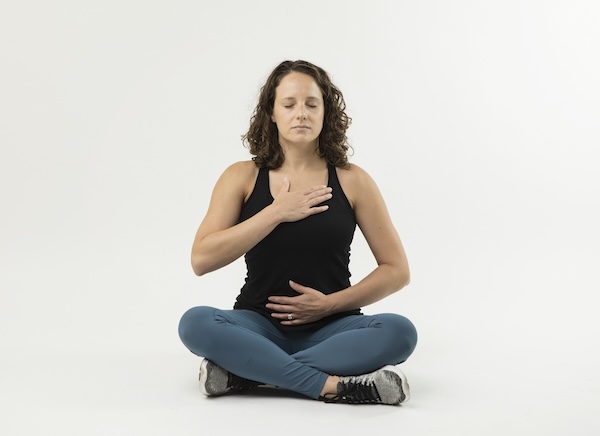
Focus on healing and gentle movement. Simple exercises, like diaphragmatic breathing, pelvic tilts, and mindful walking, help retrain your deep core and pelvic floor while respecting your body’s recovery. And be sure to use proper mechanics for lifting and carrying your baby.
- Rebuild strength and endurance (weeks 3–12)

Once you have reconnected with your muscles, and healing is well underway, your goals can shift to more functional strength. In other words, you want to focus on exercise that gets your muscles working together again, and building the strength you need to stay safe and pain free during every day activities.
In this second phase, focus on light resistance, bodyweight exercises, and movements that mimic daily activities, like bridges, step-ups, heel slides, and clamshells. Walking and short bouts of low-impact cardio gradually increase, preparing your body for more intense exercise and a return to broader physical activity safely.
- Return to full activity (12+ weeks postpartum)

When your core is stable and movement feels controlled, you can progress to heavier resistance, higher repetitions, and higher-impact activities like running or sport-specific training. Just be sure to keep monitoring for symptoms to prevent setbacks.
No matter which phase you are in, remember to:
- Listen to your body and pause if you feel pain, bulging, or heaviness.
- Focus on quality of movement, not speed or intensity.
- Progress gradually, as small increases in weight, duration, or impact add up safely.
- Train for daily life — lifting your baby, stroller, or household objects counts as functional strength.
When can I lift weights after c-section?
A C-section is major abdominal surgery. Seven layers of muscle and connective tissue are opened to reach the uterus! Even after your incision heals, deeper tissues continue to remodel for several months, which can leave your transverse abdominis and pelvic floor muscles feeling weak or uncoordinated.
You can rebuild strength safely, but your body may need extra time to regain core stability and load tolerance. The American College of Obstetricians and Gynecologists (ACOG) advises you can start postpartum weight lifting once you feel ready, as long as you first check in with your OBGYN to rule out complications.
Pay attention to your body. Pulling at your scar, abdominal bulging, pain, or pelvic heaviness are signs to pause and progress more slowly. A pelvic health physical therapist can guide a gradual return to lifting, helping ensure your tissues are prepared before you add heavier weight.
Return to strength on your own timeline with the Vagina Whisperer
Returning to strength training postpartum is not a race. Your body has gone through incredible change, and rebuilding strength, stability, and confidence takes patience, consistency, and self-compassion. Focus on gradual progress, listen to your body, and celebrate every small milestone: a stable plank, a controlled squat, or even just feeling stronger carrying your baby up the stairs.
You don’t have to do it alone. The V-Hive membership gives you on-demand access to all the pelvic floor and core postpartum workouts you’ll need to reach your strength training goals. From gentle recovery in the first weeks to higher-intensity strength training later, our programs help you rebuild function, confidence, and resilience in your body.
Join the V-Hive today and start your postpartum strength journey with support, structure, and confidence.
References
- Thurber, Caitlin, Lara R. Dugas, Cara Ocobock, Bryce Carlson, John R. Speakman, and Herman Pontzer. Extreme Events Reveal an Alimentary Limit on Sustained Maximal Human Energy Expenditure. Science Advances, vol. 5, no. 6, 5 June 2019, eaaw0341, doi:10.1126/sciadv.aaw0341.
- Mostafavi, Beata. “Pelvic Floor Injury During Vaginal Birth Is Life‑Altering and Preventable, Experts Say.” Michigan Medicine Health Lab, 7 Feb. 2024, www.michiganmedicine.org/health-lab/pelvic-floor-injury-during-vaginal-birth-life-altering-and-preventable-experts-say.
- Jones, Paris A. T., Emma Brockwell, Amal Hassan, Sinead Dufour, and Margie H. Davenport. “Breastfeeding‑Injury Link: Are Concerns Warranted?” British Journal of Sports Medicine, 2025 Aug 10, bjsports‑2024‑109310, doi:10.1136/bjsports‑2024‑109310.
- American College of Obstetricians and Gynecologists. “Exercise After Pregnancy.” ACOG, www.acog.org/womens-health/faqs/exercise-after-pregnancy. Accessed 5 Nov. 2025.
- Selman, Rachel, Kate Early, Brianna Battles, Misty Seidenburg, Elizabeth Wendel, and Susan Westerlund. “Maximizing Recovery in the Postpartum Period: A Timeline for Rehabilitation from Pregnancy through Return to Sport.” International Journal of Sports Physical Therapy, vol. 17, no. 6, Oct. 2022, pp. 1170‑1183. PMC, doi:10.26603/001c.37863.